
Last updated October 16, 2026
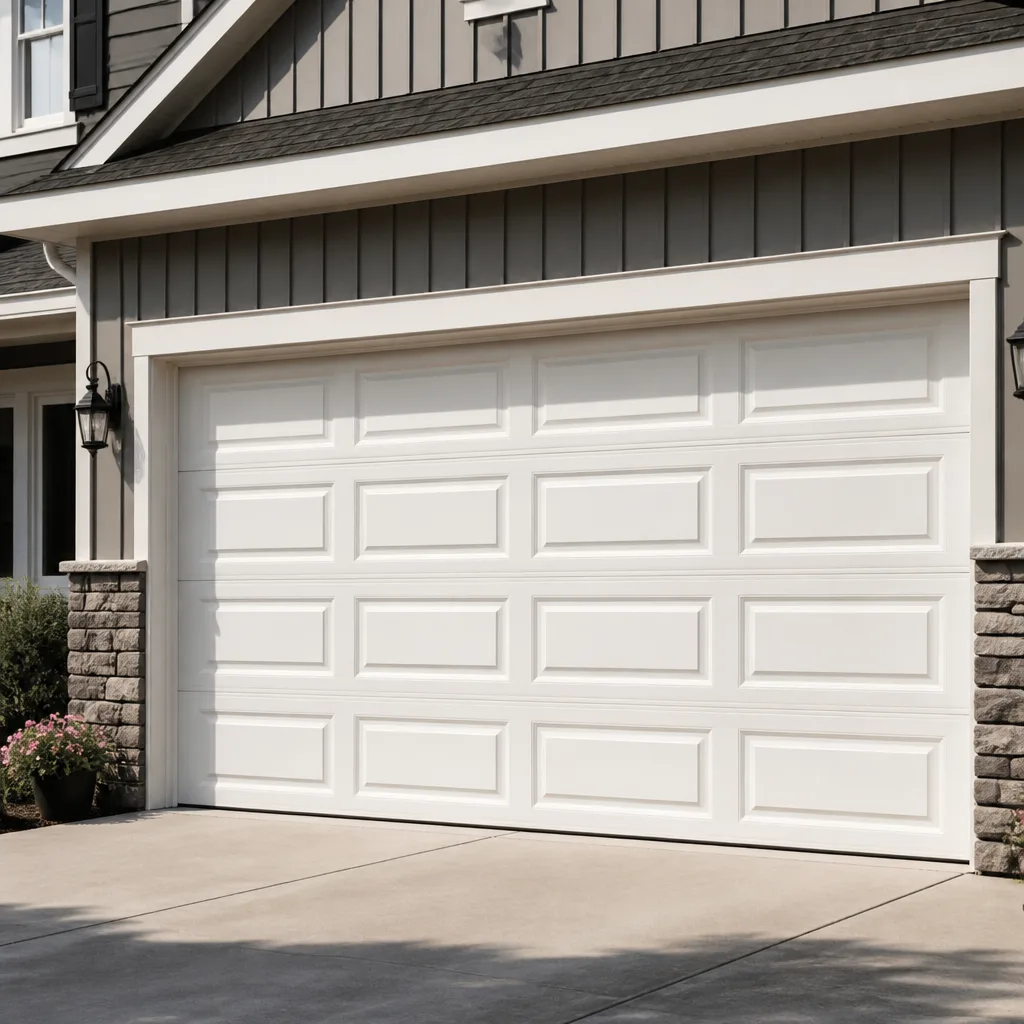 Raised-panel steel
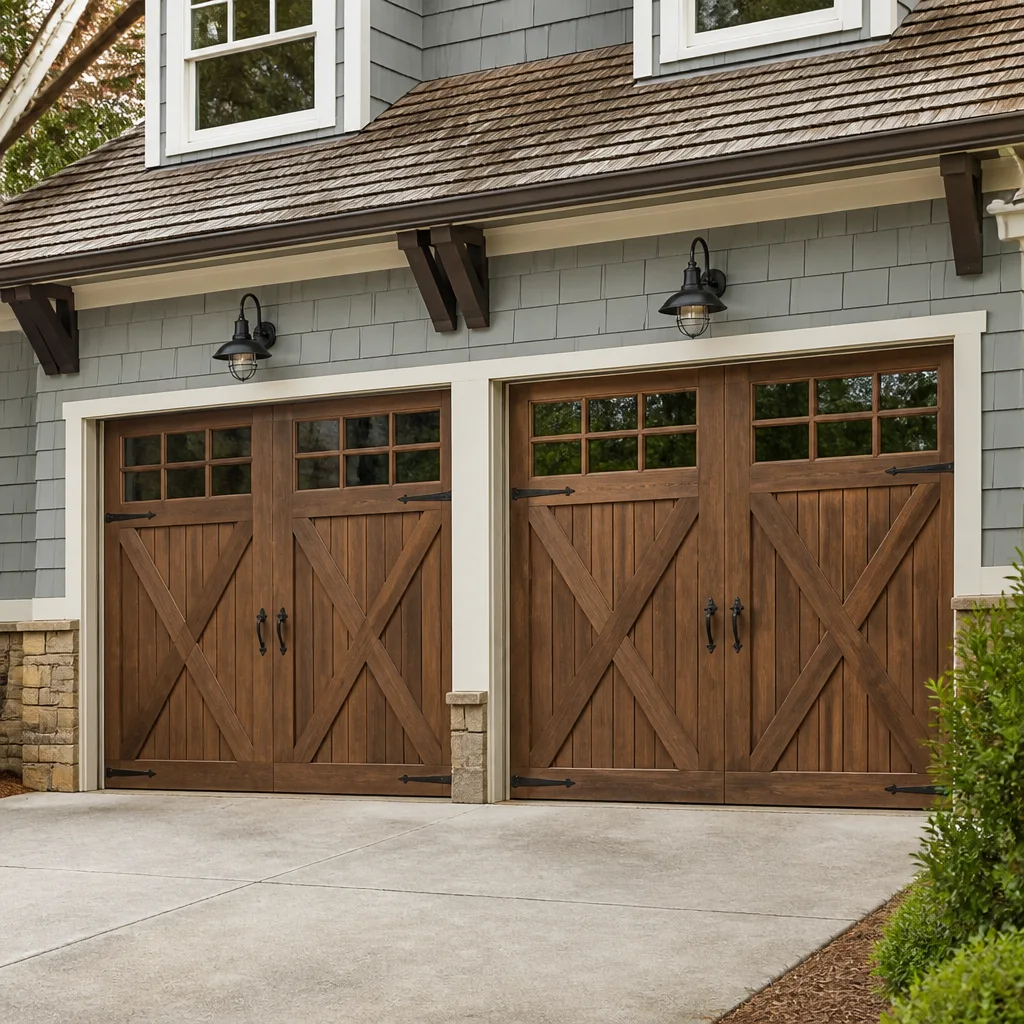 Carriage house
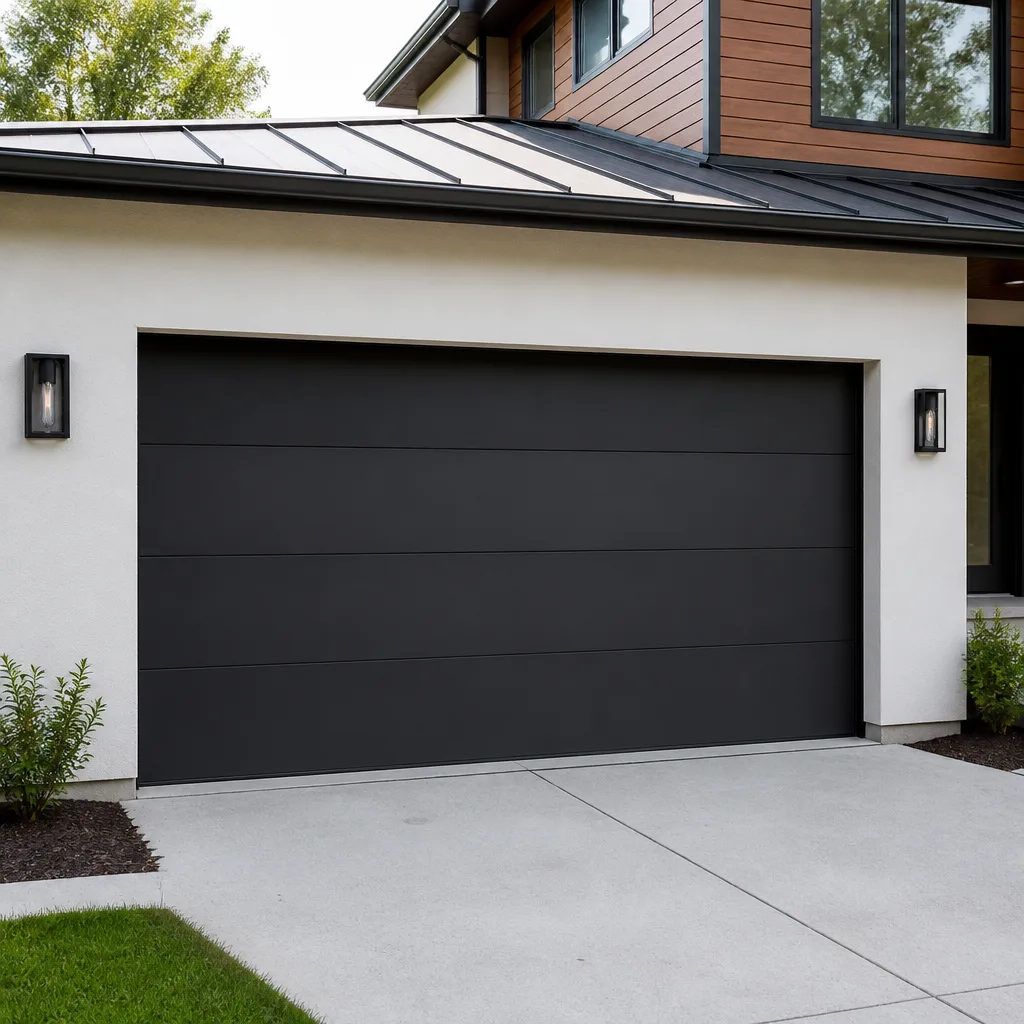 Modern flush
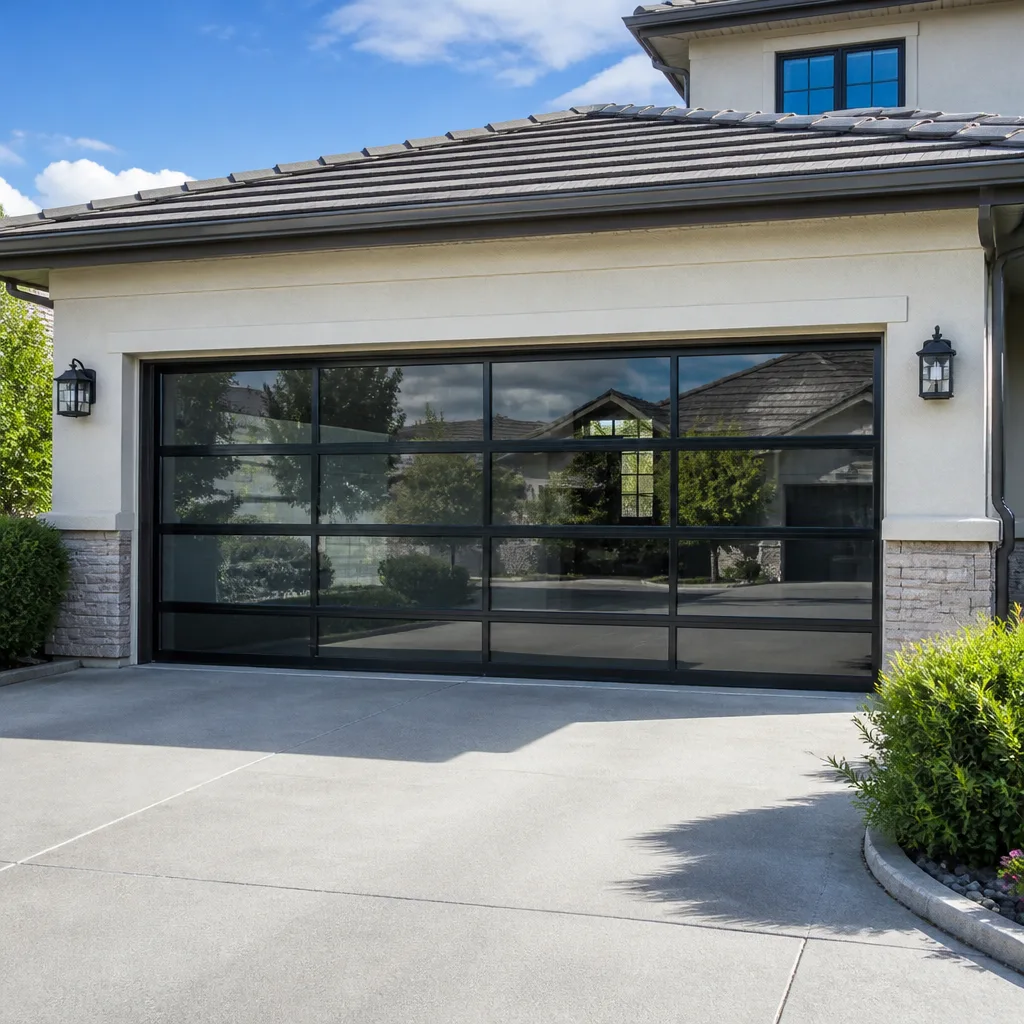 Full-view glass
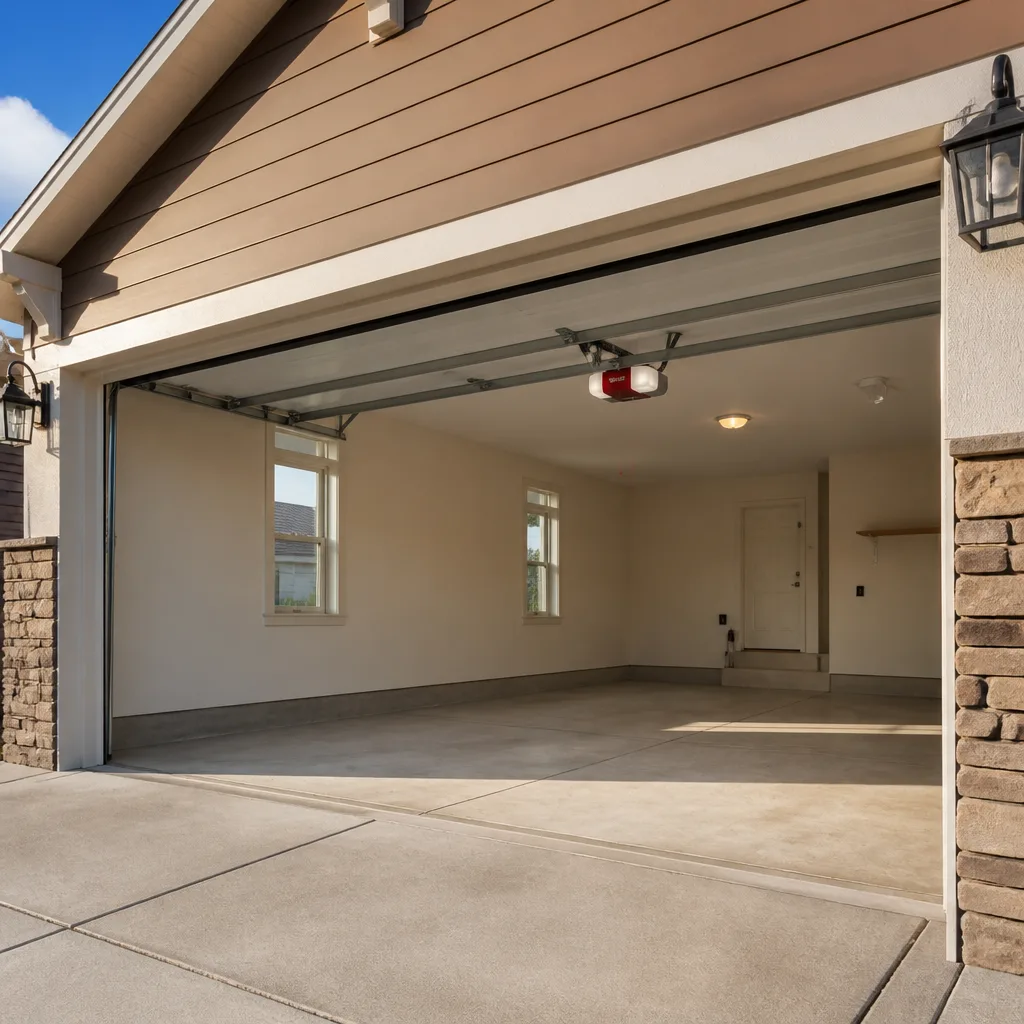 LiftMaster openers
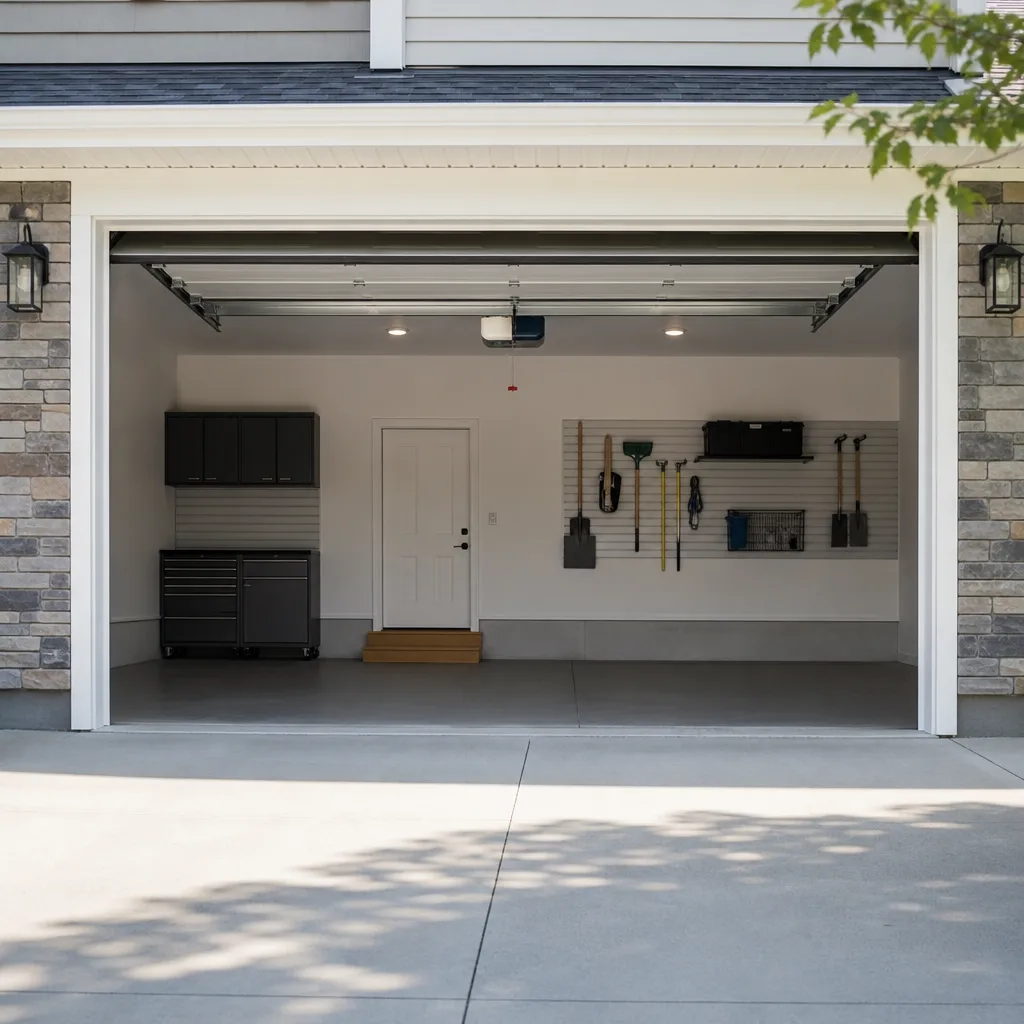 Chamberlain openers
Full 25-point door and opener safety check with every visit - springs, cables, rollers, tracks, and your LiftMaster or Chamberlain opener included
You get a price before we start. It does not change when the truck arrives.
Get your free estimateGarage Door Permits, Codes & Inspections in NV: What You Need to Know
A garage door replacement that requires a permit but never gets one can legally be flagged as an unpermitted alteration during escrow. That discovery has delayed or killed real estate closings across the Las Vegas valley. The buyer’s title company spots the permit gap, the lender freezes funding, and suddenly you’re paying rush fees for a retroactive permit or tearing out work that was just installed. This guide walks through exactly when Clark County and the City of Las Vegas require permits for garage door work, which code sections apply, how HOAs factor in, what inspectors actually check, and how to verify a permit was pulled before the first bolt comes off the truck.
Quick Answer
In Las Vegas and unincorporated Clark County, like-for-like garage door repairs almost never require a permit, but full door replacements, opener installations on new circuits, and any structural modification to the opening usually do. A permit is typically required when the work changes the door opening size, adds a new electrical circuit for an opener, or replaces a fire-rated door between an attached garage and living space. The cost and timeline for pulling a permit are modest compared to the cost of fixing unpermitted work during a sale.
Styles & brands we work with
Table of Contents
- When Clark County and Las Vegas Require a Permit for Garage Door Work
- The Threshold: Like-for-Like Repair vs. Alteration Requiring a Permit
- The Actual Code Sections: GFCI, Header Clearance, Fire-Rated Doors
- The HOA Overlay: Architectural Review Before County Permits
- What a Proper Inspection Covers: The Inspector’s Checklist
- How to Confirm Your Contractor Pulled the Permit: Clark County Lookup Tool
- Common Mistakes to Avoid
- When to Call a Professional
- Frequently Asked Questions
When Clark County and Las Vegas Require a Permit for Garage Door Work
If you live inside Las Vegas city limits, the City of Las Vegas Building and Safety Department issues permits. If you live in Summerlin, Spring Valley, Enterprise, Paradise, or any other unincorporated part of the valley, Clark County Building Department handles it. Both enforcement bodies use the same underlying code books, but their interpretation on garage door work has a few differences worth knowing.
You need a permit when the work involves any of the following:
- Full garage door replacement with structural changes. If the new door requires new tracks, altered mounting points, or changes to the opening dimensions, you need a permit. Swapping a tired door for the same size door on existing tracks usually does not.
- New garage door opener on a new electrical circuit. If the opener requires running a new branch circuit from the panel, that’s electrical work subject to permit. Plugging an opener into an existing ceiling outlet does not need a permit in most Las Vegas inspections.
- Replacing a fire-rated door between an attached garage and living space. If the door opens from the house into the garage and is being swapped, the replacement must maintain the fire rating required by building code. That triggers a permit because the assembly is part of the home’s fire barrier.
- Any widening or modification of the garage door opening. If you’re converting a single-car opening to a double, relocating a header beam, or changing the rough opening, you’re doing structural work that requires engineered drawings and a permit.
- Converting a garage to living space. If you’re closing in the garage door and turning the garage into a bedroom or office, that’s a permit-required alteration on every level, including the removal of the door itself.
In Las Vegas specifically, we’ve seen confusion around bolt-on upgrades like adding a smart opener to an existing door. That’s a repair-level job unless new wiring is pulled. Wiring is the line. No new circuit, no permit. New circuit, permit.
The Threshold: Like-for-Like Repair vs. Alteration Requiring a Permit
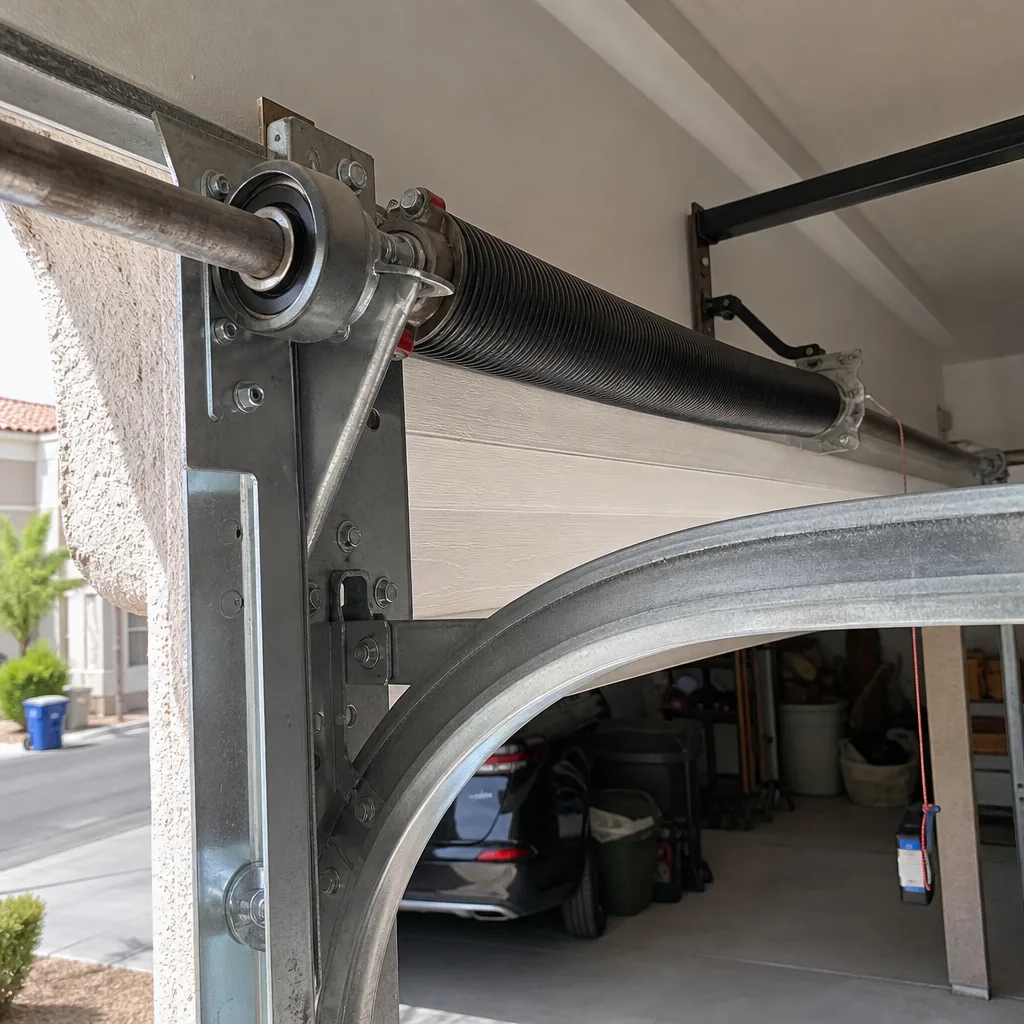
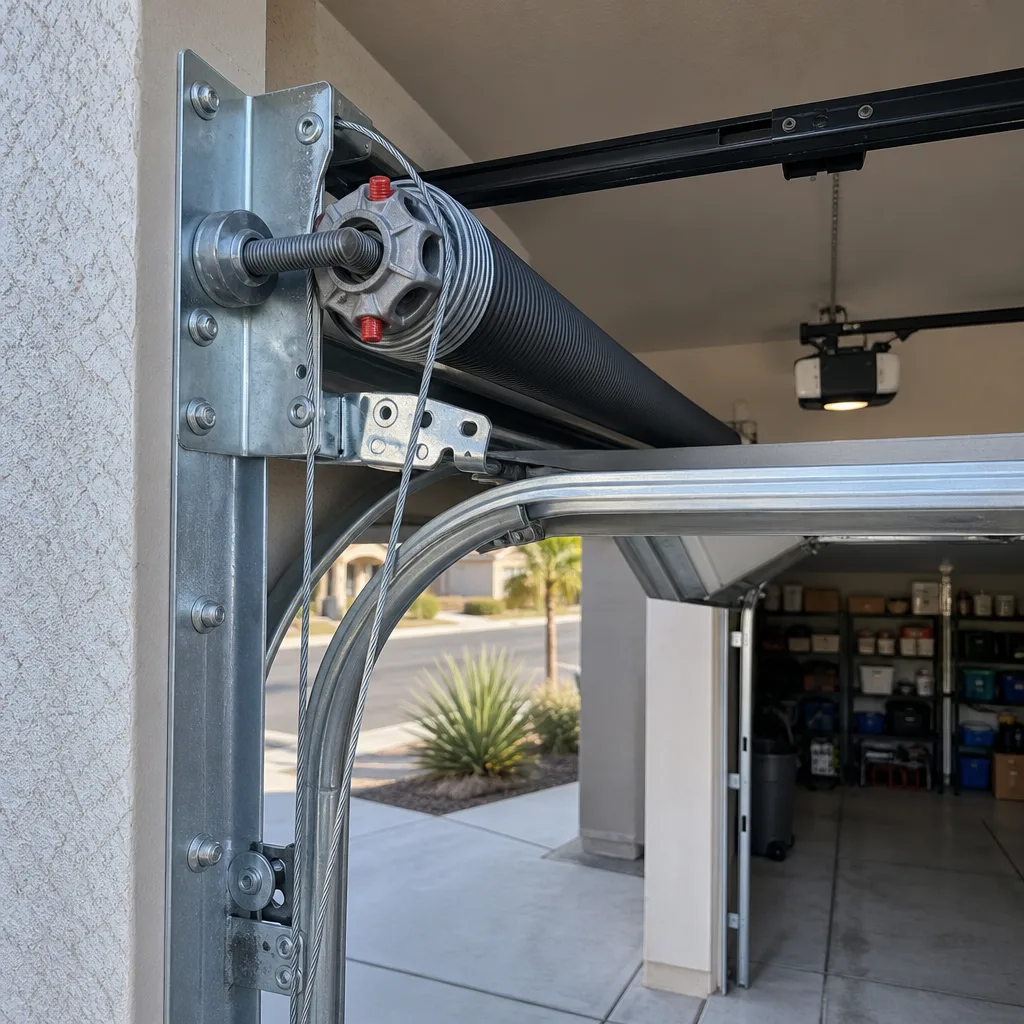
The cleanest way to think about it: a permit is about what changed, not about what you bought. You can install the nicest Clopay or Amarr door that exists, and if it drops onto the same tracks, uses the same spring system, and doesn’t touch the opening framing, no one at the county is asking for paperwork. That’s a repair. You can replace a broken torsion spring, the large coil mounted above the door that does most of the lifting, without a permit in Clark County. Same for cables, rollers, hinges, and limit switches on the opener.
What shifts the job into alteration territory:
- Opening size changes. You can’t widen a garage door opening without a permit. That’s structural framing work with shear wall and header implications.
- New electrical circuits. A new circuit for an opener, a battery backup unit, or an outlet in the garage ceiling is electrical work that needs a permit and an inspection.
- Fire-rated assembly replacement. The door between the house and the attached garage is part of a fire separation. The IRC requires a minimum 20-minute fire-rated door with a self-closing device in most cases. Swap it without maintaining that rating and you’ve created a code violation that an inspector can flag.
- Track system replacement on a different layout. Switching from standard radius tracks to high-lift tracks so you can stack storage higher, or adding a low-headroom track kit, changes how the door loads the wall. Plan on a permit if you’re doing this in Las Vegas.
- Structural repairs to the opening. Rot, termite damage, or cracked headers in the garage opening framing need a permit for the framing repair, regardless of what you do with the door.
One thing we hear from homeowners in Summerlin and Hendersonville-adjacent neighborhoods: “My contractor said no permit needed.” The contractor is often right on simple repairs. But on replacements, asking the contractor to put that in writing, with their contractor license number on the document, is the smartest twenty seconds you can spend before signing. Our How to Hire a Garage Door Contractor in Las Vegas: A Step-by-Step Guide explains exactly what to look for in that paperwork.
The Actual Code Sections: GFCI, Header Clearance, Fire-Rated Doors
If you want to be precise about what the inspector is looking at, these are the sections that come up most often on garage door jobs in Southern Nevada. Nevada adopts the International Residential Code and the National Electrical Code with state amendments.
GFCI protection for garage outlets. NEC Article 210.8(A)(2) requires all 125-volt, single-phase, 15- and 20-amp receptacles in garages to have ground-fault circuit interrupter protection. If a garage door opener outlet is replaced or newly installed, it has to be GFCI protected. This one catches people. The 2020 and 2023 NEC cycles removed some exceptions that older homes in Las Vegas were built under, so a home built in the 1990s may have a non-GFCI garage outlet that was legal then but would not pass today if you touch that circuit.
Fire-rated door assembly between attached garage and dwelling. IRC Section R302.5.1 requires the opening between a garage and the residence to be equipped with a solid wood door not less than 1-3/8 inches thick, a solid or honeycomb-core steel door not less than 1-3/8 inches thick, or a 20-minute fire-rated door. The door needs a self-closing device. If you’re replacing that door as part of a garage renovation in Las Vegas, the new assembly has to maintain that rating.
Header clearance and structural framing. IRC Sections R602 and R603 govern wall framing and headers. A garage door opening typically uses a doubled 2×12 header or an engineered beam. If the new door applies more load, different track brackets, or changes where the torsion spring mounts, an inspector will verify the header is sized for the new configuration. This is part of why changing track layout triggers a permit.
Electrical wiring for openers. NEC Article 430 covers motors. Garage door openers draw relatively little current, but if a dedicated circuit is being added, the wire gauge, overcurrent protection, and outlet location all fall under inspection. The outlet for an opener must be on the ceiling or wall near the opener, on a branch circuit, and as noted, GFCI protected.
We keep these code references in plain language because most Las Vegas homeowners don’t sit around reading code books. You don’t need to. You need a contractor who does, and who puts the permit in your name before work starts.
The HOA Overlay: Architectural Review Before County Permits
Clark County can issue you a permit tomorrow, but if you live in a community with an HOA, the HOA’s architectural review committee may need to approve the garage door change before the county will even accept the application. Southern Nevada is one of the most HOA-dense markets in the country. Summerlin, Mountain’s Edge, Aliante, Inspirada, Lake Las Vegas: all of these are master-planned communities with CC&Rs that govern exterior appearance.
Here’s the sequence that usually applies:
- Review your CC&Rs first. Find the section on exterior modifications. Most require written approval before a garage door color, material, or style change. Some even restrict window patterns on the door.
- Submit an architectural review application. Include the manufacturer spec sheet from the door company, paint or powder-coat color, and a photo or rendering of the proposed door.
- Wait for written approval. Verbal approval from a board member doesn’t count. Get it in writing.
- Then apply for the county permit. The county will ask if the work is in an HOA and may request proof of HOA approval. This is the step people miss in Las Vegas and it stalls the permit.
- Post the permit, do the work, schedule the inspection. The inspection closes out the permit.
A note from experience: HOAs in Las Vegas are particularly sensitive about garage door color. Many communities have an approved color palette for garage doors, often neutral tans, browns, and whites. A bright red or deep blue door you love may be a violation that the HOA flags and requires repainting. Getting the HOA sign-off before ordering the custom-color Wayne Dalton or Clopay door saves a repaint that can cost several hundred dollars.
What a Proper Inspection Covers: The Inspector’s Checklist
A county inspector in Las Vegas is not checking whether your garage door is pretty. They’re checking safety, structure, and electrical. Knowing the checklist makes passing inspection predictable. If you’re unsure whether your door needs work first, review our Garage Door Warning Signs: A Las Vegas Homeowner’s Reference Guide before scheduling the inspection.
Here’s what a typical final inspection for a permitted garage door job includes:
- Fire separation. If the work touched the door between the house and garage, the inspector verifies the fire-rated door, self-closing hinges, and weather stripping around the perimeter.
- GFCI protection. The inspector tests the GFCI outlet serving the opener, including the test and reset function.
- Header and load path. For any structural change, the inspector confirms the header size, king studs, jack studs, and anchor bolts match the approved plan.
- Safety sensor operation. The photo-eye sensors at the bottom of the door opening must reverse the door when blocked. The inspector may roll a cylinder or object under the door to confirm reversal.
- Auto-reverse pressure setting. Using a 2×4 laid flat under the door, the inspector checks that the opener reverses on contact without excessive force.
- Opener mounting. The opener must be securely fastened to the ceiling structure, not held by a couple of lag bolts into drywall.
- Emergency release. The red manual release handle must be accessible and functional.
What a Las Vegas inspection does not typically verify: the spring balance, the lubrication level, the quietness of the operation, or the cosmetic fit and finish. Those are workmanship matters covered by the contractor’s own workmanship warranty, not the building code. That’s why our 365-Day Done Right Promise matters on top of any county sign-off: the inspection says it’s safe. The warranty says it was done right.
How to Confirm Your Contractor Pulled the Permit: Clark County Lookup Tool
You should never take a verbal assurance that a permit was pulled. In Clark County, you can verify it yourself in under two minutes. Here’s the step-by-step:
- Go to the Clark County Building Department permit search page. The online tool is at the county’s building department section of their website, under “Permit Search” or “Building Records.”
- Search by address. Enter your street number and street name. Don’t include the direction prefix (leave off “N” or “S” if the search struggles; try both ways).
- Look for the permit type. For garage door work, you’re looking for a permit type that includes “Residential Alteration,” “Residential Repair,” “Garage Door,” or similar wording.
- Check the status. The permit should show “Issued” before work starts. It moves to “Finaled” or “Closed” after the inspection passes.
- Check the applicant name. The contractor’s company name should appear on the permit, not just your name. This is your confirmation that the licensed contractor actually pulled it.
Inside the Las Vegas city limits, the City of Las Vegas has its own separate permit search. The process is similar: building department website, permit search, address lookup.
The day to check is before the crew arrives, not after. Once work starts without a permit, you’re already in unpermitted territory, and if the contractor then says “oh, we’ll pull it after,” you have a problem. A legitimate contractor in Las Vegas pulls the permit and hands you the permit number before installation day.
Common Mistakes to Avoid
- Trusting a verbal “no permit needed.” Get it in writing. If the contractor won’t put that statement on a document with their license number, something is off with their licensing or their confidence.
- Ordering a custom-color door without HOA approval. In Summerlin and other master-planned communities in Las Vegas, this is the single most common garage door regret. The HOA approval comes first, the door order comes second.
- Skipping the permit to save $150 to $400. The permit fee on a residential garage door job in Clark County is modest. The cost of a retroactive permit after a sale stalls is a multiple of that, before you even factor in the stress.
- Reusing old tracks with a new door. A new Clopay or Amarr door on 20-year-old tracks is a warranty problem and sometimes a safety problem. If the tracks are fatigued, the new door’s not covered when a roller pops out.
- Ignoring the fire-rated door when renovating. Homeowners doing a garage-to-gym or garage-to-office conversion in Las Vegas sometimes swap the interior house-to-garage door for something hollow-core. That fails inspection and creates a real fire risk.
- Not keeping the paper permit on site. The inspector needs to see the permit card posted at the job location. Tape it to the garage door frame or the electrical panel, not buried in a kitchen drawer.
- Believing a home warranty covers unpermitted work. Many home warranty contracts exclude damage caused by unpermitted or improperly permitted installations. Your “covered” spring failure may become a denied claim.
When to Call a Professional
A garage door spring under tension is genuinely dangerous. The torsion spring above the door stores enough energy to break bones or worse if it releases while you’re working on it. If your project involves springs, cables, or track adjustments, do not attempt it without training and the right winding bars. You should also call a professional when the job needs a permit, because a licensed contractor pulls it in their name and owns the inspection. If you’re unsure whether the work on your Las Vegas home requires a permit, call the building department and ask, but keep in mind that phone hold times with the county can run long. Garage Door Repair in Las Vegas is one of the services we offer, and we walk every customer through the permit question before we quote. Doyle Garage Doors Las Vegas offers free estimates in Las Vegas, call (725) 224-5155.
Frequently Asked Questions
A permit is required if the replacement changes the door opening size, adds a new electrical circuit for the opener, or modifies structural framing; a same-size door on existing tracks usually does not need one. When in doubt, call the City of Las Vegas or Clark County Building Department with your address and a description of the scope, and get the answer in writing. Call (725) 224-5155 if you want us to check for you, estimates are free.
Residential garage door permit fees in Clark County typically range from about $100 to $400 depending on the scope of the work, with basic repair permits landing on the lower end and structural alteration permits on the higher end. The exact figure depends on the valuation of the work and the current fee schedule. Call (725) 224-5155 for help with a specific project, estimates are free.
Yes, you can sell, but an unpermitted garage door installation can be flagged during the title search or escrow process, forcing you to pull a retroactive permit, pay associated fees, or possibly undo the work before closing. Las Vegas title companies increasingly check permit records for garage door and opener work during their due diligence, especially on homes sold within a few years of the work.
In most Southern Nevada HOAs, yes, the architectural review committee must approve the color, style, and sometimes the manufacturer before you install a new garage door, even if the county does not require a permit. The HOA approval comes before the permit application and before the door order. Check your CC&Rs and submit the application early to avoid a repaint or a replacement.
An existing non-GFCI garage outlet that was legal when your home was built can stay until you modify that circuit; the moment you add or replace that outlet, the current NEC requires GFCI protection and an inspector will verify it. This is one of the most common code fixes on garage door opener jobs in Las Vegas. Garage Door Opener Repair in Las Vegas includes checking and quoting GFCI compliance on every opener job.
A building permit means the work meets minimum code safety standards at the time of inspection; a workmanship warranty means the contractor guarantees the quality of the installation and will fix defects that appear later. A county inspection does not cover spring balance, roller quality, or operation smoothness the way the 365-Day Done Right Promise does. Both matter, and in Las Vegas a buyer checking your work will look for both.
The Bottom Line
Garage door permits in Nevada are not complicated once you know the thresholds. Same-size repair, no permit. Structural change, new circuit, or fire-rated assembly replacement, permit. HOA approval runs ahead of county permitting in most planned communities around Las Vegas. A county inspection verifies fire separation, GFCI protection, and safety sensor operation. A workmanship warranty covers what the inspector doesn’t. If you’re unsure about the permit status of a garage door project at your Las Vegas home, call the building department or a licensed contractor who will check for you before quoting. The cost of asking is zero. The cost of skipping the question can run into the thousands at closing. For ongoing care tips after your project wraps, see our Garage Door Repair Maintenance Checklist for Las Vegas Homeowners.
Written by Aaron Teague, Owner at Doyle Garage Doors Las Vegas, serving Las Vegas since 2001. Doyle Garage Doors Las Vegas home | Garage Door Installation in Las Vegas
See the difference
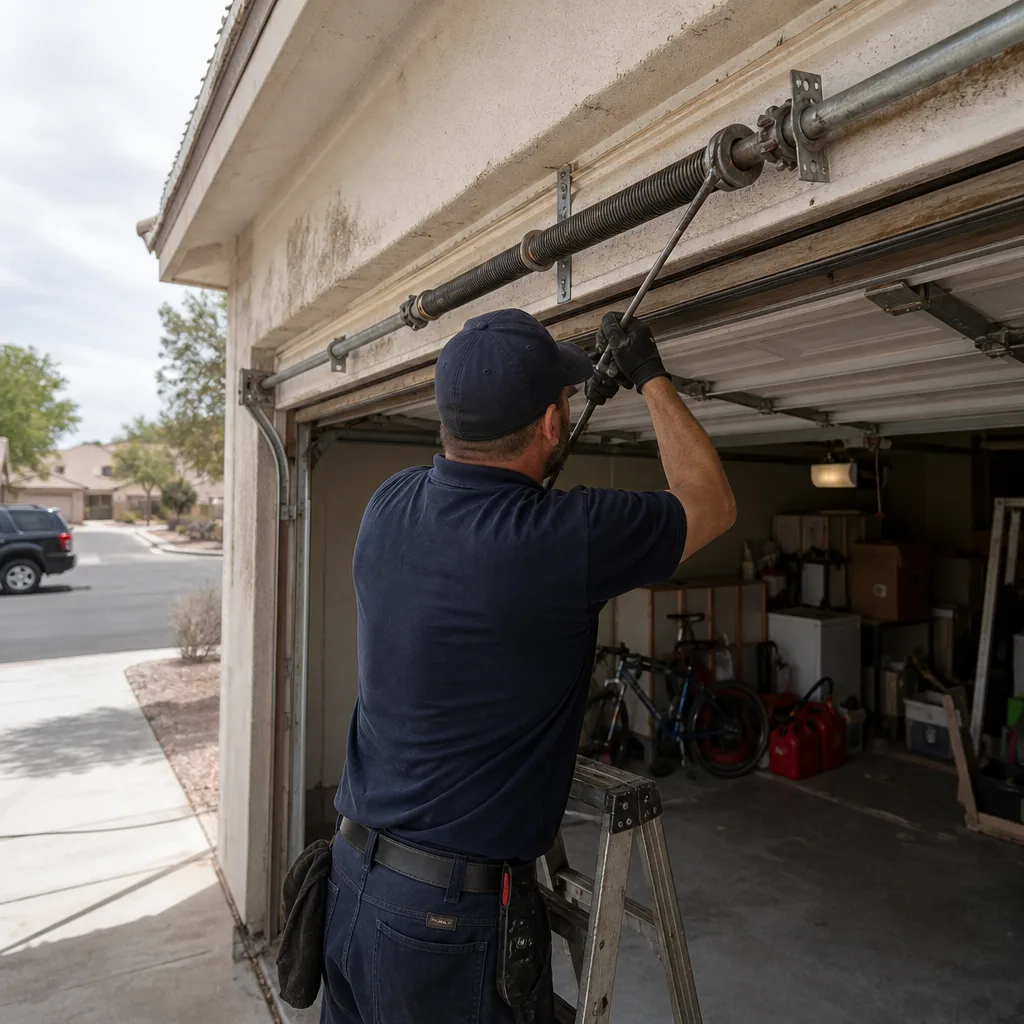 Before
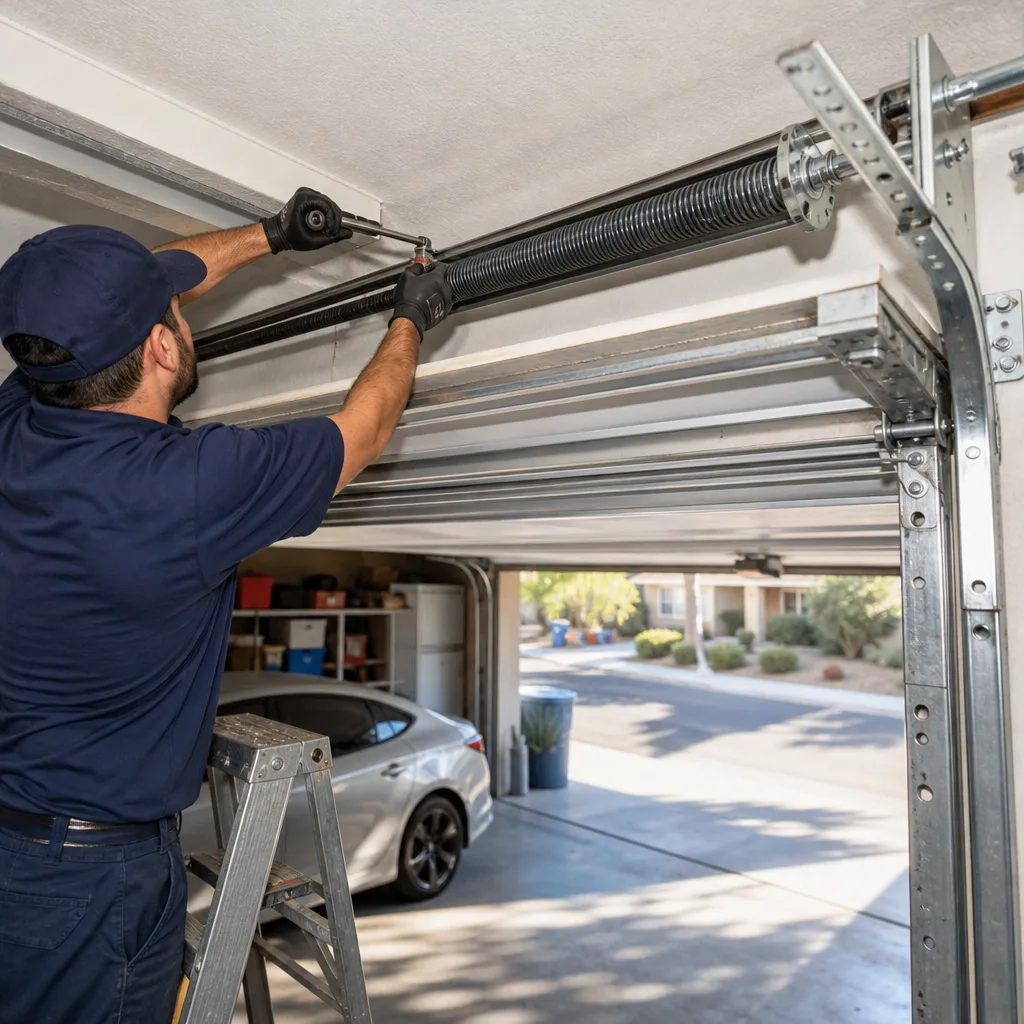 After
After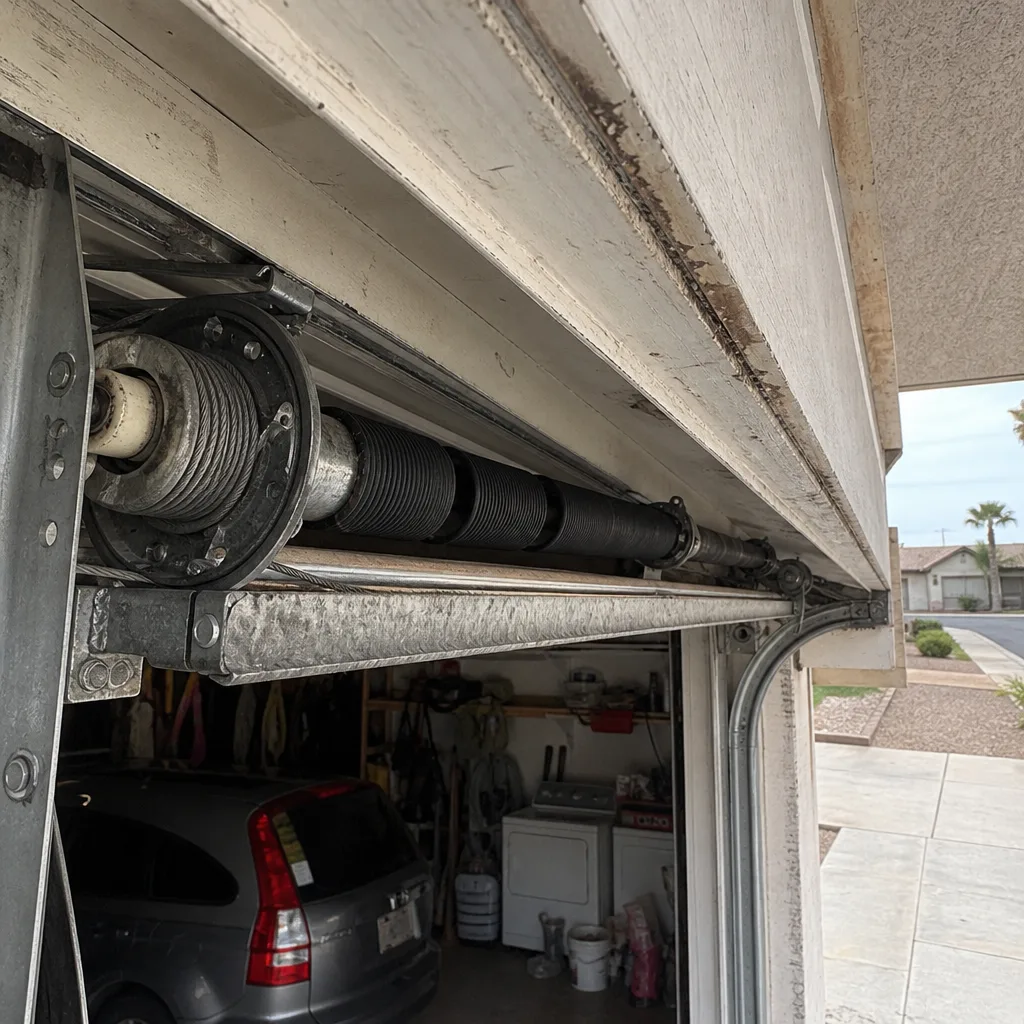 Before
 After
After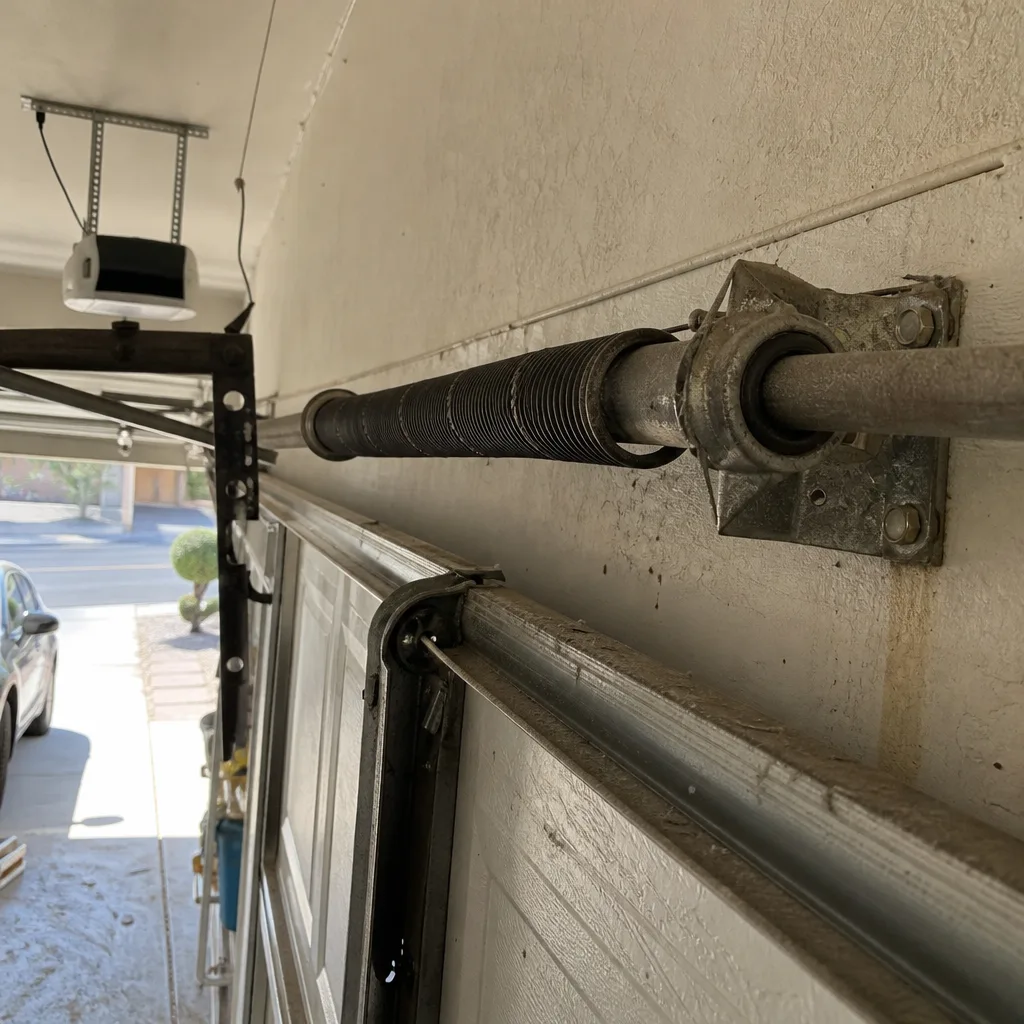 Before
 After
After