
Last updated October 16, 2026
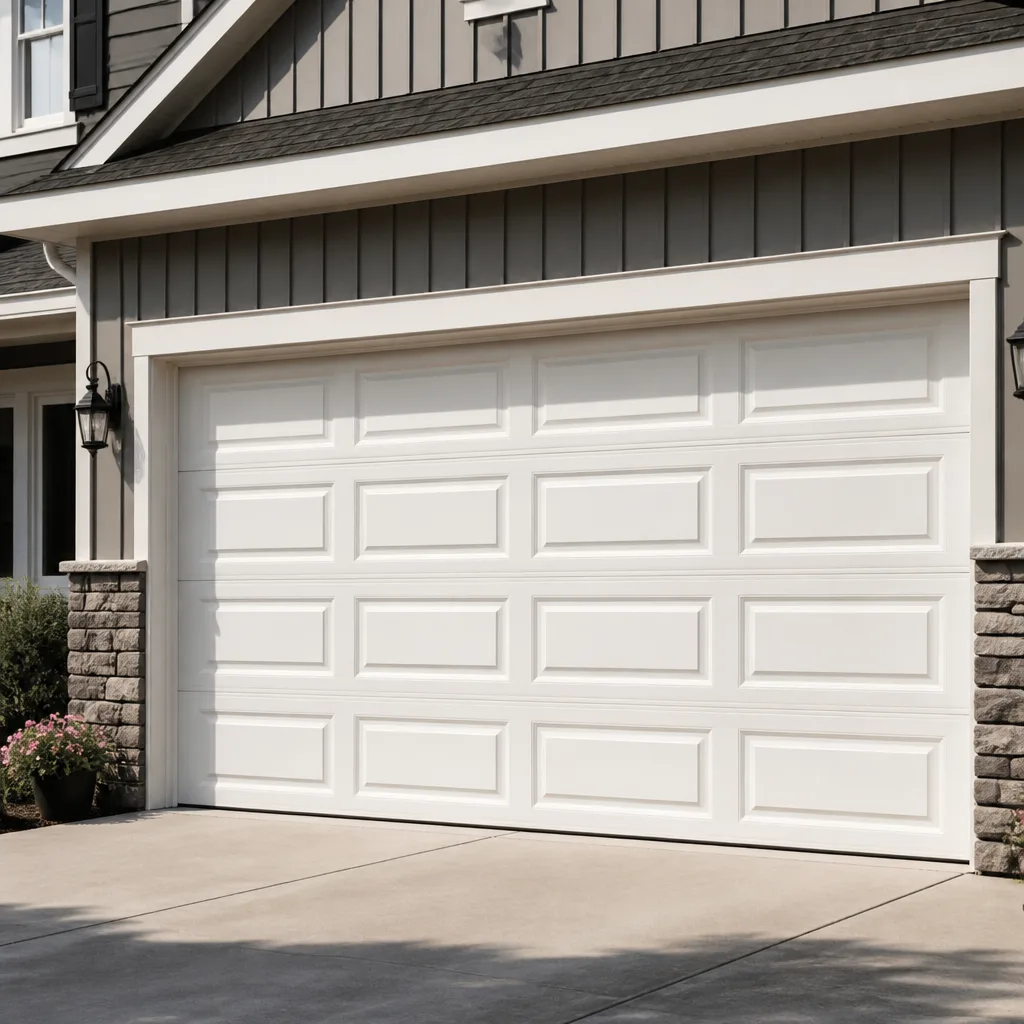 Raised-panel steel
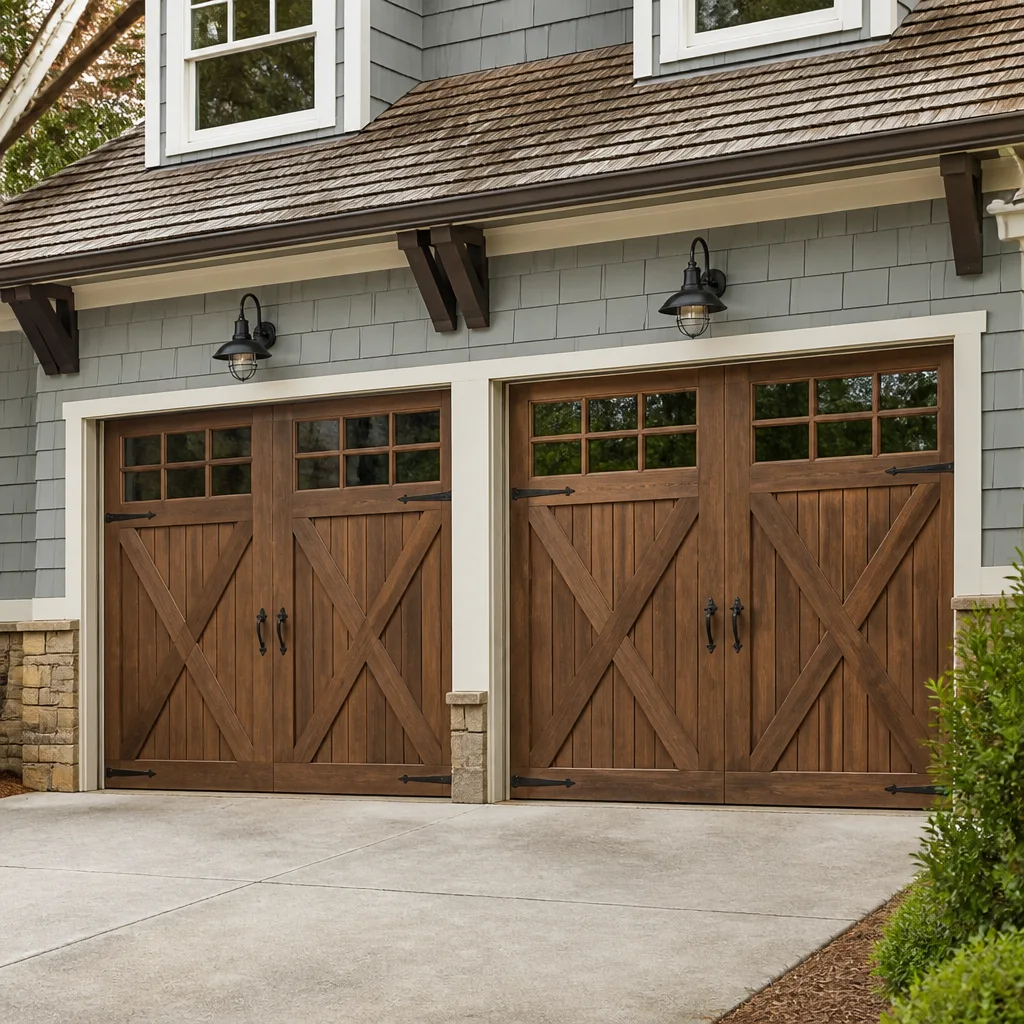 Carriage house
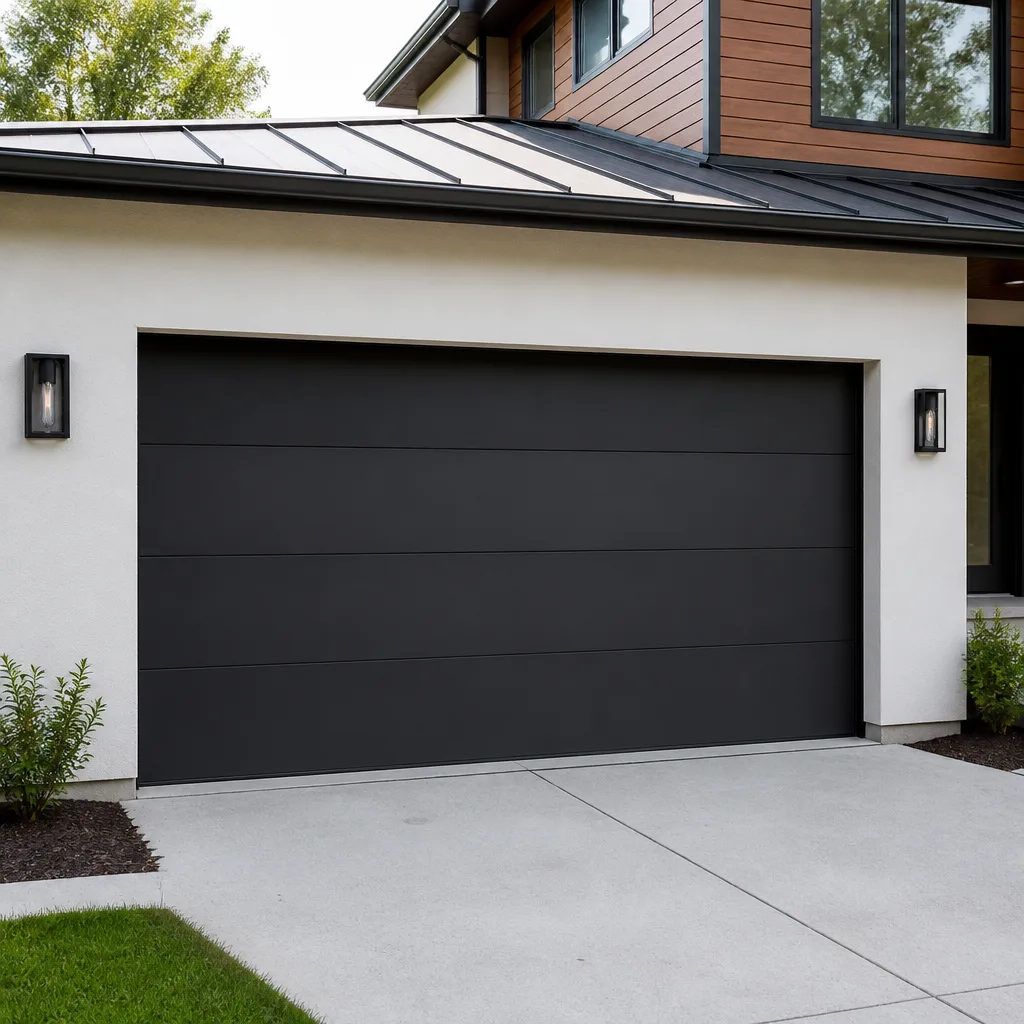 Modern flush
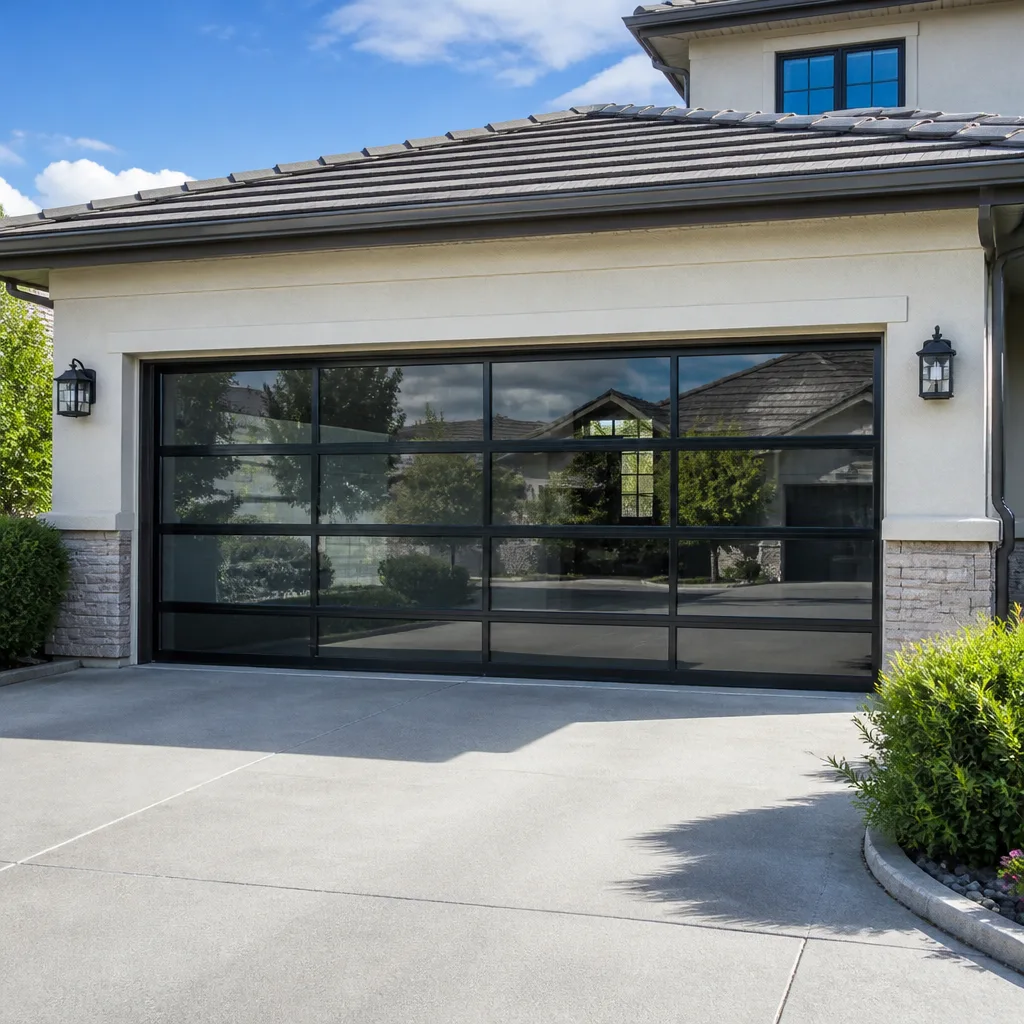 Full-view glass
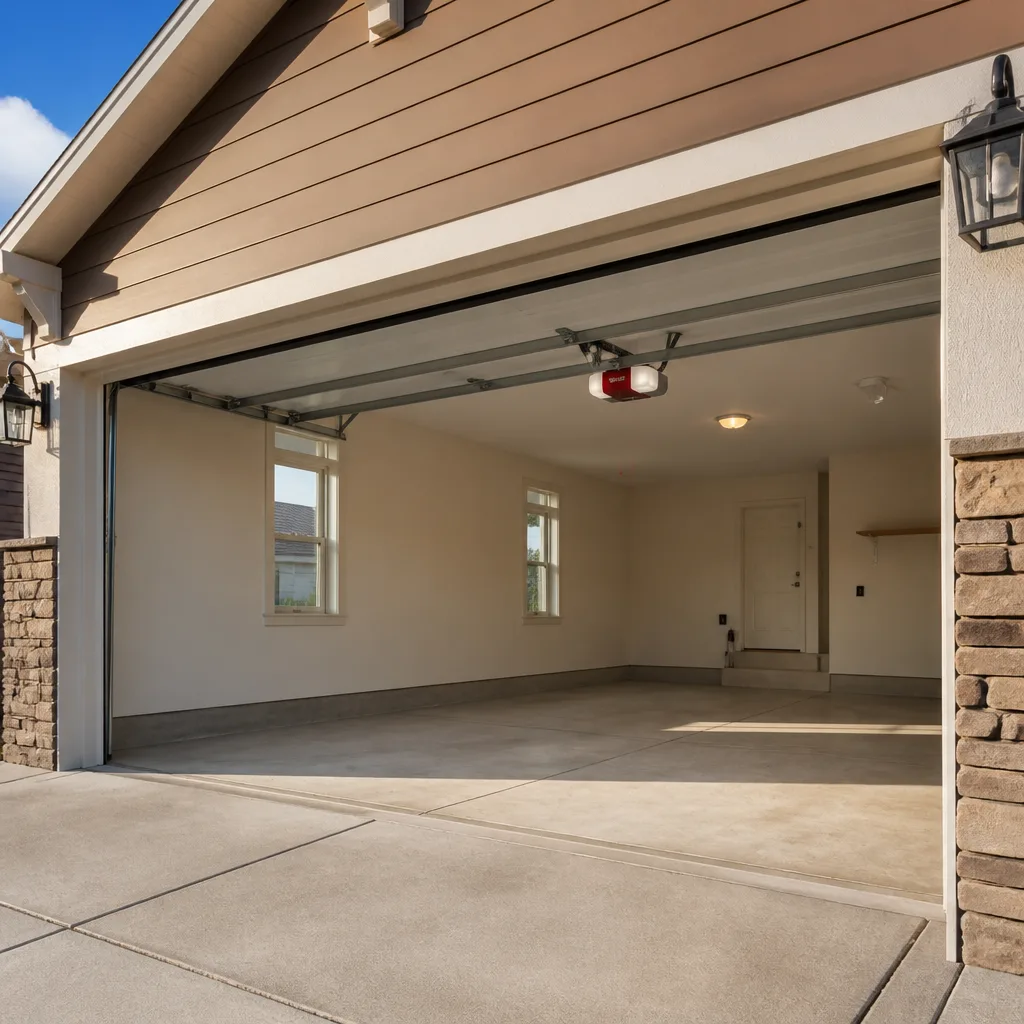 LiftMaster openers
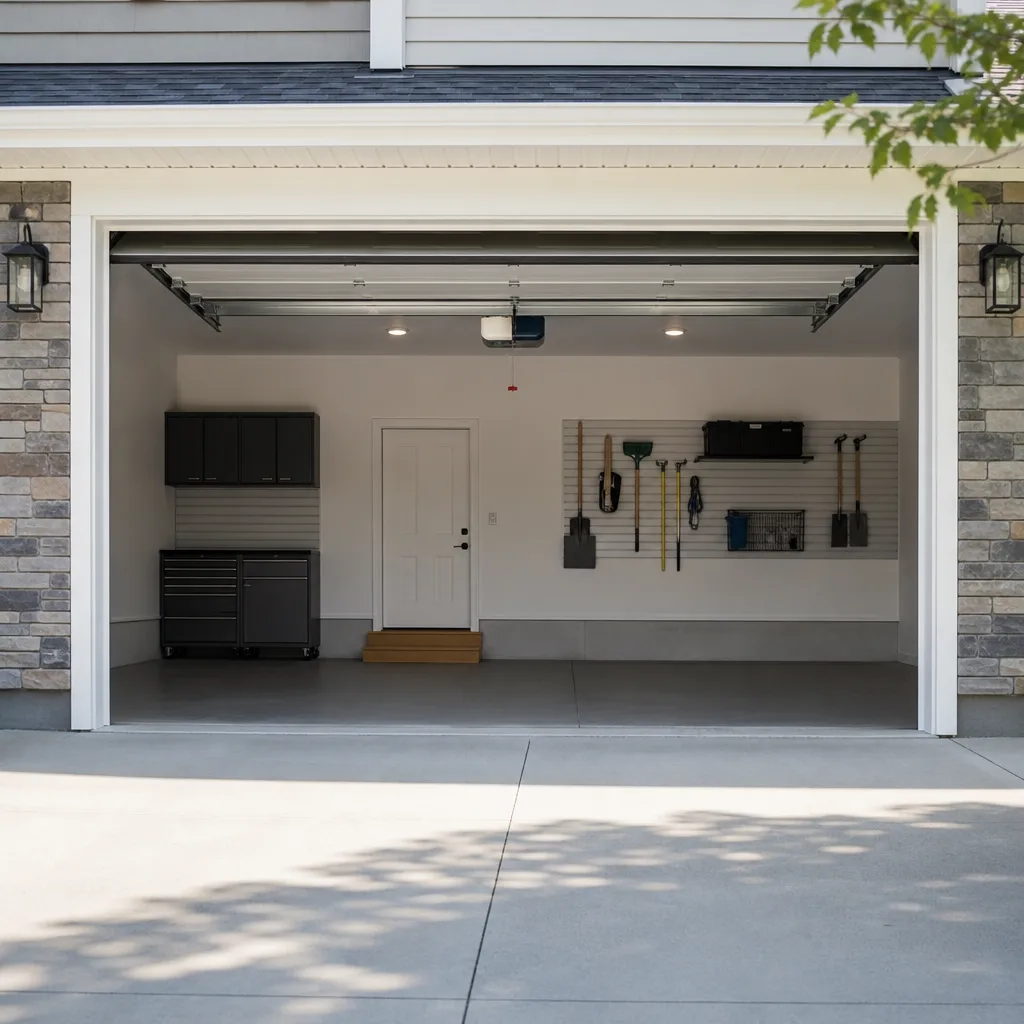 Chamberlain openers
Full 25-point door and opener safety check with every visit - springs, cables, rollers, tracks, and your LiftMaster or Chamberlain opener included
You get a price before we start. It does not change when the truck arrives.
Get your free estimateHow to Hire a Garage Door Contractor in Las Vegas: A Step-by-Step Guide
Here’s a number that should stop you cold: Nevada does not require a specialty license to replace a garage door panel, a spring, or an opener. Only structural work on the garage itself triggers the licensing requirement. That means anyone with a pickup truck, a socket set, and a $40 social media ad can legally show up at your Las Vegas home, quote you a cash price, and start pulling parts off your door. If the repair fails three weeks later, you call the number on the receipt and it’s disconnected. This guide-along with our more guides & resources-walks you through the exact verification steps that filter out the fly-by-night operators before they ever back into your driveway.
Styles & brands we work with
Quick Answer
To hire a garage door contractor in Las Vegas, start by verifying their license status through the Nevada State Contractors Board website, then demand a written estimate before any work begins, ask for the technician’s name and photo in advance, and confirm the repair carries a written guarantee of at least 90 days (ideally 365). A legitimate Las Vegas garage door company will answer all four of these requests without hesitation. One that hesitates on any of them is telling you something.
Table of Contents
- Why Las Vegas Is Different: The Transient Contractor Problem
- Step 1: Verify the License (And Know What Nevada Actually Requires)
- Step 2: The Five Questions to Ask Before You Schedule Anything
- Step 3: How to Read a Garage Door Quote Line by Line
- Step 4: Why “Locally Owned” Isn’t Enough in Las Vegas
- Step 5: The Post-Hire Checklist Before the Tech Leaves
- Common Mistakes to Avoid
- When to Call a Professional
- Frequently Asked Questions
- The Bottom Line
Why Las Vegas Is Different: The Transient Contractor Problem
Las Vegas has a contractor market most cities never see. The metro population has grown by more than 300,000 people in the last decade, and with that growth comes a constant churn of people trying to make a living with a truck and a toolbox. Garage door work looks easy from the outside-swap a spring, bolt on a panel, wire an opener-but The Complete Guide to Garage Door in Las Vegas shows why each step matters. So after every windstorm that rips through Summerlin or the southwest valley, a fresh crop of “garage door specialists” appears on marketplace apps, quoting low prices to get their foot in the door.
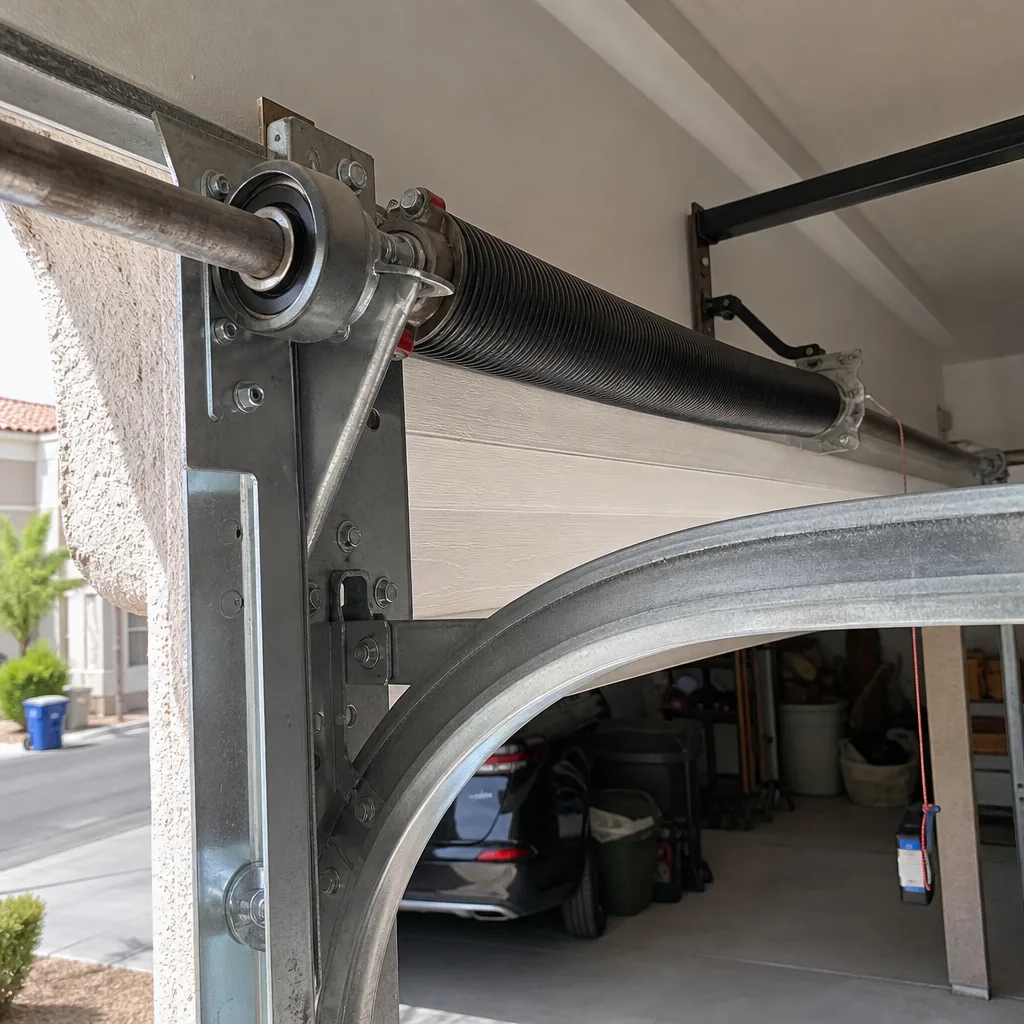
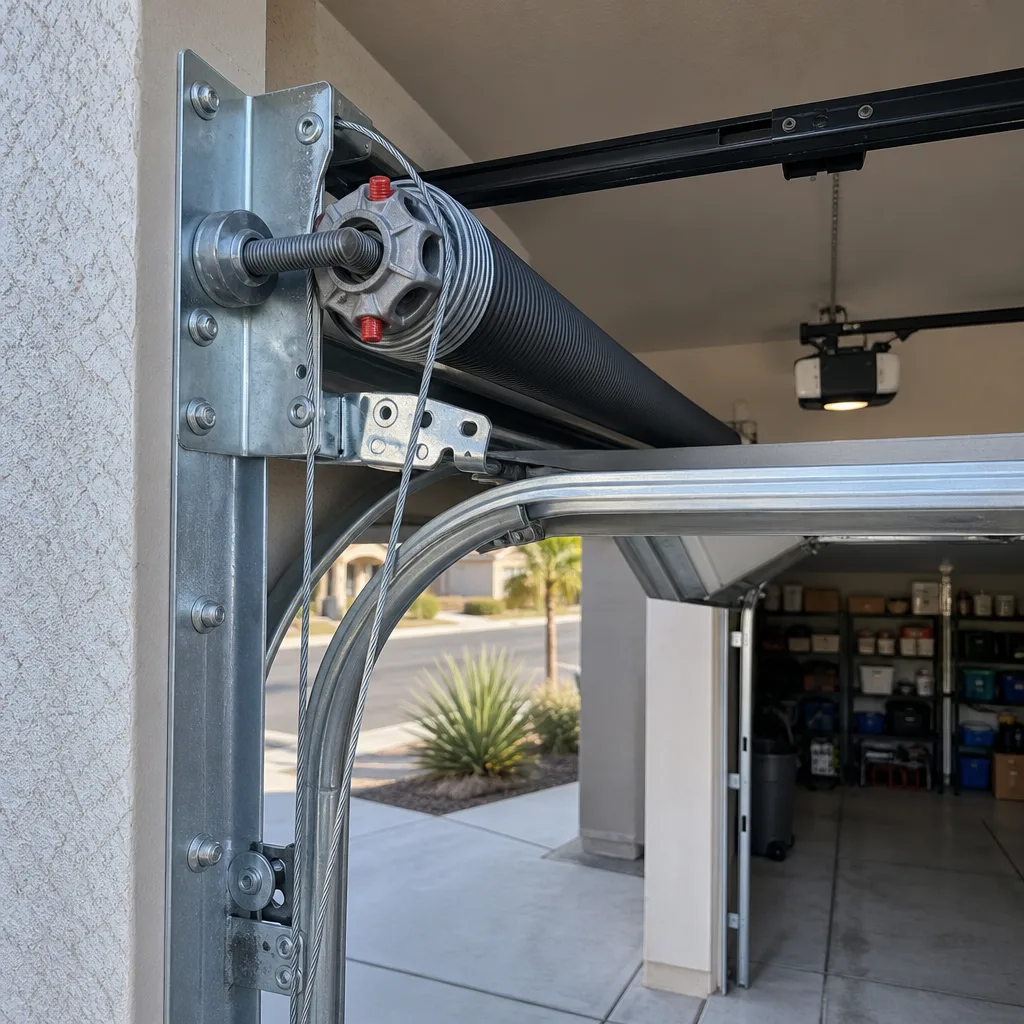
The problem isn’t that these operators are all dishonest. It’s that many of them are untrained, uninsured, and unaccountable. They take a cash deposit, attempt a repair they don’t fully understand, and when the torsion spring (the large coil mounted above the door that does most of the lifting) fails two weeks later, they’re gone. You can’t recover money from a phone number that no longer rings. And because Nevada’s licensing rules are so permissive on the parts of garage door work that most often fail, there’s no regulatory backstop to catch them.
This guide is written from inside the Las Vegas garage door market. We’ve been at this since 2001, and we’ve fixed a lot of doors that a transient operator touched first. The steps below are the ones we’d tell a friend to take before hiring anyone, including us.
If you’re dealing with a door that won’t open or a spring that snapped, start with our Garage Door Repair in Las Vegas guide, then come back here for the hiring framework.
Step 1: Verify the License (And Know What Nevada Actually Requires)
Here’s the counterintuitive part: many garage door companies in Las Vegas operate without any contractor’s license at all, and they’re doing so legally. Nevada law only requires a contractor’s license from the Nevada State Contractors Board (NSCB) when the work involves structural changes to the garage or the building envelope. Replacing a panel, a spring, a cable, or an opener doesn’t meet that threshold.
So what does a license tell you when a company has one? It tells you the company has met minimum standards for experience, passed a financial review, carries worker’s compensation insurance, and can be held accountable by a state board. That’s genuinely useful. But you can’t stop at “do you have a license?” because the follow-up matters more than the first question.
Here’s the verification sequence we recommend:
- Ask for the license number. Not the name of the company. The number. A company that stalls on this is a red flag.
- Look it up at nscb.nv.gov. The Nevada State Contractors Board website has a license search tool that shows status, classification, and any disciplinary actions.
- Check the classification. For garage door work that touches the structure (replacing a buck, re-framing an opening, header work), you want a “B” (General Building) contractor. For panel and opener replacement, no license is legally required, which shifts your trust burden to the written-guarantee and technician-verification steps below.
- Check for insurance. Independently of licensing, ask for proof of general liability insurance with the company name on the certificate. A real company can produce this in minutes.
We’re a garage door company that has operated in Las Vegas since 2001 as part of the Threshold Group family. Our technicians carry identification at every job, and we’re happy to walk you through our credentials before we ever schedule a visit. If a company gets defensive when you ask for proof of anything, that’s the end of the conversation.
Step 2: The Five Questions to Ask Before You Schedule Anything
Every phone call to a garage door contractor should start with the same five questions. The answers, or the evasions, will tell you more than any online review ever could. Here they are, with the red-flag answer for each:
- “Can I get that price in writing before the technician arrives?” Red flag: “We’ll give you a quote when we see the door.” A professional company knows its standard repair pricing and can quote a range over the phone, then confirm it in writing before work starts. We give every customer a written price before a single bolt is turned.
- “Who is the technician, and will I know their name before they show up?” Red flag: “We’ll send someone out.” Under the Threshold Standard, every Doyle Garage Doors tech is identity-verified, background-checked, and we send the customer a name and photo before the visit. You know who to expect before you open the door.
- “What’s the guarantee on the repair, in writing?” Red flag: “We stand behind our work.” That phrase means nothing. A written guarantee states the term and the remedy. Ours says it in exact terms: 365 days from the date of repair, and if it fails, we come back and make it right at no charge.
- “Is the service call fee applied to the repair if I approve the work?” Red flag: “The service call fee is separate.” Many low-price operators charge $29 or $49 to show up, then quote a repair price that covers the cost of the trip anyway. You’re paying for the estimate twice and didn’t realize it. Ask directly.
- “Do you have a written guarantee on parts and labor separately?” Red flag: “Everything’s covered, don’t worry.” Garage door parts have manufacturer warranties (LiftMaster, Chamberlain, and Genie all have specific coverage terms), and labor is a separate commitment. Get both in writing.
You’ll learn everything about a company’s business model from those five questions. A price-bait operation will dodge three of them before you hang up. A professional company will answer all five in under three minutes.
Step 3: How to Read a Garage Door Quote Line by Line
Most homeowners in Las Vegas have never seen a properly itemized garage door quote, so they have no baseline for what’s reasonable. Here’s what a standard repair or installation quote should include, and what the current Las Vegas market typically charges for each line item.
Service Call Fee
In the Las Vegas market, a service call fee ranges from $45 to $95. Legitimate companies apply this fee toward the repair if you approve the work. If the quote shows a service call fee that won’t be applied, you’re paying a separate charge to get the estimate, which is a sign the company makes money on visits, not repairs. Ask before the tech drives out.
Torsion Spring Replacement
On a standard two-car garage door, expect to pay $180 to $340 for a single torsion spring replacement, including labor, in the Las Vegas area. Double-spring systems, which are safer because they distribute the load, run $250 to $450. The quote should specify the spring cycle rating (typically 10,000 cycles or better for residential use), a topic covered in our Seasonal Garage Door Care for Las Vegas: Year-Round Homeowner’s Guide. If the quote just says “spring” with no specification, the company is likely using the cheapest spring available, which will fail sooner.
Extension Spring Replacement
Older doors often use extension springs, the long coils that stretch along the horizontal track on either side of the door. Replacing these runs $150 to $280. A proper quote will include safety cables, which keep a broken spring from turning into a projectile. A quote that omits safety cables on an extension spring job is cutting a safety corner.
Garage Door Opener Installation
For a new LiftMaster or Chamberlain opener with installation, Las Vegas homeowners typically pay $350 to $650. Belt-drive units (quieter, better for attached garages) sit at the top of that range. Chain-drive units cost less. If a quote comes in under $300 for an opener with installation, ask what model they’re using. It’s usually a builder-grade unit with a short life expectancy.
Panel Replacement
A damaged bottom panel (the most common single panel to fail, often from impact) costs $250 to $500 per panel, depending on material and finish. Custom colors or raised-panel designs from Clopay or Amarr add cost. A residential door with more than two damaged panels usually makes more sense to replace entirely.
Labor
Labor on a standard repair should be itemized or included in the line item cost. If you see “labor” as a separate, open-ended line with no dollar figure, you’re looking at a quote designed to expand later. The price you’re given should be the price you pay, which is why we put every number in writing before we start and never hand a customer a surprise invoice.
A good quote answers your questions before you ask them. A bad one creates new questions. If you don’t understand a line item, say so. A professional company wants you to understand what you’re buying.
If you’re comparing quotes for a full door replacement, our Garage Door Installation in Las Vegas page breaks down the options by material and budget.
Step 4: Why “Locally Owned” Isn’t Enough in Las Vegas
Every garage door website in Las Vegas says “locally owned” or “family owned.” Those four words do zero work for you. A transient operator renting a mailbox at a Summerlin UPS store is technically “local” until they aren’t. In a market this transient, you need trust signals that actually change your exposure to risk.
Here’s what actually matters:
Technician Identity, Verified Before Arrival
The moment you schedule a garage door repair, you’re agreeing to open your home to a stranger. That’s not a small thing, especially if you’re home alone, you’re a parent with young kids, or you’re an older homeowner. The single most effective trust step a company can take is telling you exactly who is coming, before they arrive. Under the Threshold Standard, every Doyle Garage Doors technician is background-checked and identity-verified. We send a name and a photo to your phone before the tech leaves the shop. When the doorbell rings, you check the photo on your phone against the person at your door. No generic garage door company in Las Vegas can match that step, and it costs about fifteen seconds.
A Written Guarantee, Not a Verbal Promise
A verbal guarantee disappears the moment the tech’s truck leaves your driveway. A written guarantee is a document with your name on it, a date, and a statement of what happens if the repair fails. The 365-Day Done Right Promise at Doyle Garage Doors says it in exact terms: if it’s not done right, we make it right, for a full year from the date of repair. Not 30 days, not 90 days. 365. And if the repair fails under the guarantee, the second visit is free, automatically. No argument required. Ask any other company how long their written guarantee runs. Listen for the pause.
Upfront Pricing, Always in Writing
The second fear every homeowner has, right after “is this person safe,” is “what will the invoice say?” We’ve heard too many stories of Las Vegas homeowners who got a phone quote of $150 and a final bill of $600. The fix is easy: the price is written down, handed to the customer, and agreed upon before a single bolt is turned. No verbal estimates, no invoice surprises. If a company won’t put the price in writing before starting, they’ve told you how the job will end.
“Locally owned” isn’t a trust signal. A name and photo before arrival, a 365-day written guarantee, and an upfront written price are trust signals. Ask for all three, and see what you get.
Step 5: The Post-Hire Checklist Before the Tech Leaves
The job’s done, the door works, and you’re ready to pay. Before the technician walks out, collect these four documents. Every professional garage door company provides them; a price-bait operator never does.
- Itemized receipt. The receipt should list every part used with a part number or name (torsion spring, limit switch, trolley carriage), the labor performed, the amount you paid, and the date. If the receipt says only “door repair” with a total, ask for it itemized. You’ll need this for warranty claims and future service.
- Written guarantee document. A guarantee should be a separate document or a clearly marked section on the receipt, signed by the technician or the company, stating the term and the remedy. Ours reads: 365 days from the date of repair. If it fails, we come back and make it right at no charge.
- Spring cycle rating confirmation. If the job involved any spring work (torsion or extension), the receipt should state the spring’s rated cycle count. A 10,000-cycle spring lasts about three to five years of typical use; a 20,000-cycle spring lasts seven to ten. If nothing on your paperwork mentions cycle rating, you don’t know what quality of part you paid for.
- Technician’s name and contact. Not a 1-800 number. The name of the person who did the work, and their direct contact if applicable. Under the Threshold Standard, you already knew the name and face before arrival; the receipt just confirms it.
Collect these four things and you’ve closed the accountability loop. Any garage door company that balks at providing them is telling you it doesn’t want a paper trail.
Common Mistakes to Avoid
- Hiring based on the lowest phone quote. Las Vegas price-bait operators quote a number designed to get the truck in your driveway, then adjust upward once the door is disassembled. A $59 service call that turns into a $500 repair was never a $59 repair. Get the full price in writing before work starts.
- Skipping the written guarantee conversation. Asking “do you guarantee your work?” gets a yes. Asking “will you put that guarantee in writing before I pay?” gets silence from the operators who don’t intend to honor it. The first question is worthless; the second is the whole game.
- Not verifying the technician’s identity. You’re letting someone into your home and garage. A uniform and a tool bag don’t prove anything. Ask for a photo ID badge. Any professional company requires its techs to carry one and show it at the door.
- Paying in full before the work is complete. Deposits on custom orders (a new door, a custom panel color) are standard. Full payment before the work is done is not. A professional company collects payment when the job is finished and you’ve tested the door yourself.
- Ignoring the spring cycle rating. Two springs can look identical and cost $80 apart in quality. Without a cycle rating on the receipt, you don’t know what you bought, and you won’t know why the new spring failed in eighteen months.
- Not testing the door after the repair. The tech says it’s fixed and walks out. You close the door, open it, close it again. Run it three full cycles. Listen for grinding, see if it balances, watch for a smooth stop. The time to find a bad repair is while the technician is still in your driveway.
- Using a disconnected number for a follow-up issue. After a repair, call the number back a week later just to confirm it rings. A company that’s still answering is a company that’s still accountable. This sounds paranoid until the number on your receipt answers with a dial tone.
When to Call a Professional
Some garage door problems are DIY-appropriate: replacing weather stripping, tightening loose hardware, maybe swapping out a remote control battery. Others are not, as our DIY vs Professional Garage Door: The Las Vegas Homeowner’s Decision Guide explains in detail. Torsion springs store enough energy to cause serious injury if they release unexpectedly. Cables under tension can snap and whip. An opener’s electrical wiring involves components that shouldn’t be handled casually. If your door won’t open, makes a grinding noise, has a snapped cable, or sags on one side, stop using it and call someone who does this work every day. Doyle Garage Doors Las Vegas offers free estimates in Las Vegas, and a live person answers our phone 24/7, day, night, weekends, and holidays. Call (725) 224-5155 and you’ll get a straight answer and a written price before any work begins.
Frequently Asked Questions
A standard repair visit in Las Vegas typically costs between $150 and $450, depending on the part involved. Torsion spring replacement runs $180 to $340 for a single spring, opener installation runs $350 to $650, and panel replacement runs $250 to $500 per panel. The exact price depends on your door’s size, brand, and configuration. Call (725) 224-5155 for a written quote before anyone starts work, and the service call fee applies toward the repair.
No. Nevada does not require a specialty license for garage door panel, spring, or opener replacement, only for structural work on the garage itself. That means the license question doesn’t protect you by itself. You still need written pricing, a written guarantee, and technician identity verification to protect yourself in the Las Vegas market.
A complete quote includes the service call fee (with a statement of whether it’s applied to the repair), each part with its name and specification (including spring cycle rating), labor cost, and the total price in writing. You should also receive a separate written guarantee for the repair. If a quote doesn’t itemize the parts, ask for it itemized before you approve anything.
Most repair-focused companies in Las Vegas offer same-day service for common issues like a broken spring or a door off track. Doyle Garage Doors answers calls around the clock and can often dispatch a technician the same day for urgent repairs. For new installations or custom orders, the work is scheduled for a later date after a free measure and written price.
Ask for the guarantee in writing before you pay, and read what it actually says. A real guarantee specifies the term in days, what it covers (parts and labor), and what happens if the repair fails. The 365-Day Done Right Promise from Doyle Garage Doors covers every repair for 365 days from the date of service, with a free second visit if the repair fails. If a company won’t put the guarantee in writing, the guarantee doesn’t exist.
The difference is the cycle rating, which measures how many open-and-close cycles the spring is engineered to handle before it breaks. A 10,000-cycle spring typically lasts three to five years under normal Las Vegas use. A 20,000-cycle spring lasts closer to seven to ten years. Cheap springs wear out faster and fail more often, and the cost difference between the two is usually less than $100. Your receipt should state the cycle rating.
For attached garages in Las Vegas, a belt-drive opener from LiftMaster or Chamberlain is the quietest option and worth the extra cost over a chain-drive. For detached garages where noise matters less, a chain-drive Genie or Chamberlain works fine and costs less. Any opener installed should include a written labor guarantee and the manufacturer’s parts warranty. Call (725) 224-5155 for a free estimate and a specific recommendation for your door.
The Bottom Line
Hiring a garage door contractor in Las Vegas is different from hiring one in a stable market. The licensing rules are looser than homeowners assume, the transient operator problem is real, and the standard trust signals are too easy to fake. The fix is not complicated. Verify what can be verified, demand a written price and a written guarantee before work starts, and know the technician’s name and face before you open the door. Do those things and you’ll land on a company worth keeping. Skip one and you’re gambling with your garage, your safety, and your money.
If you’re in Las Vegas and need garage door work, start with our Doyle Garage Doors Las Vegas home page to see what we do. If your opener is acting up, the Garage Door Opener Repair in Las Vegas guide has the details. And if you’d rather just talk to a person, call (725) 224-5155 right now. A live person answers. You’ll get a written price, a name and photo before arrival, and a 365-day guarantee in writing. No surprises, no strangers, no fine print.
Written by Aaron Teague, Owner at Doyle Garage Doors Las Vegas, serving Las Vegas since 2001.
See the difference
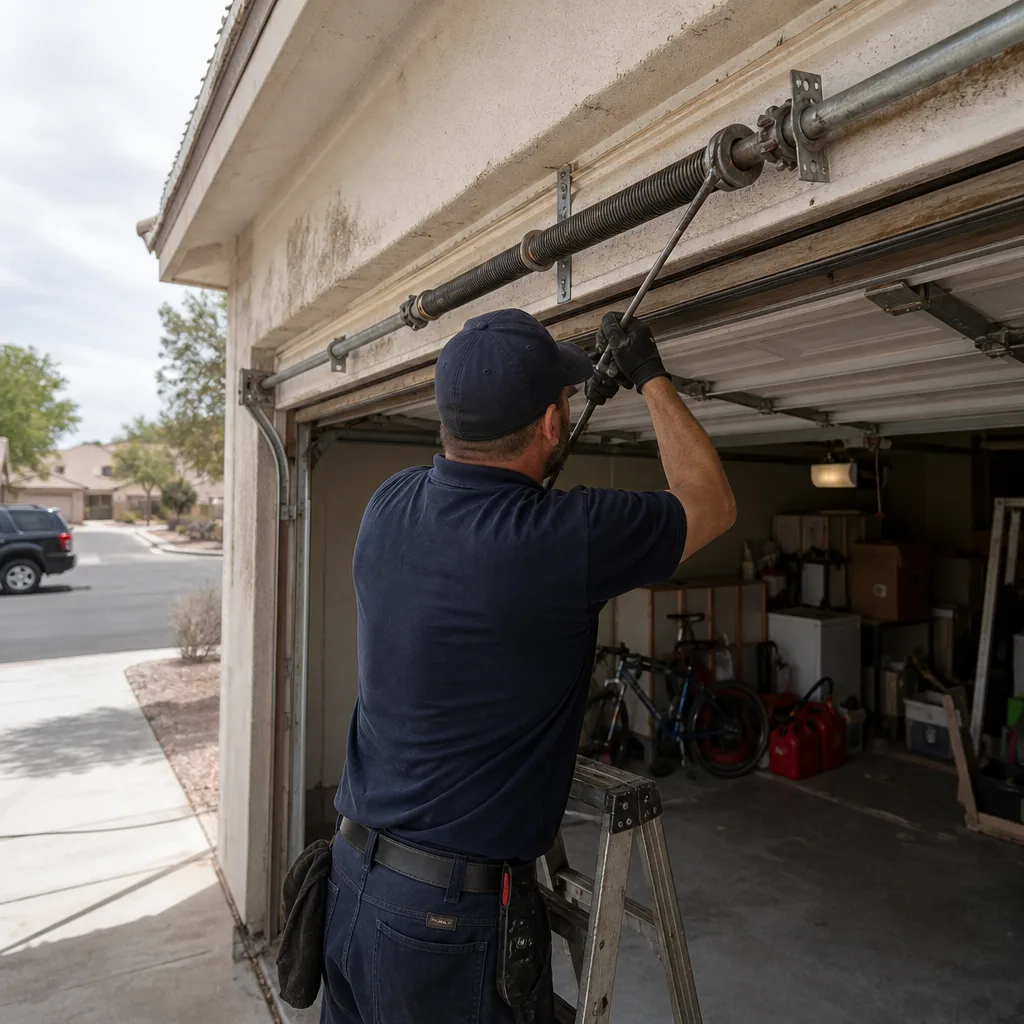 Before
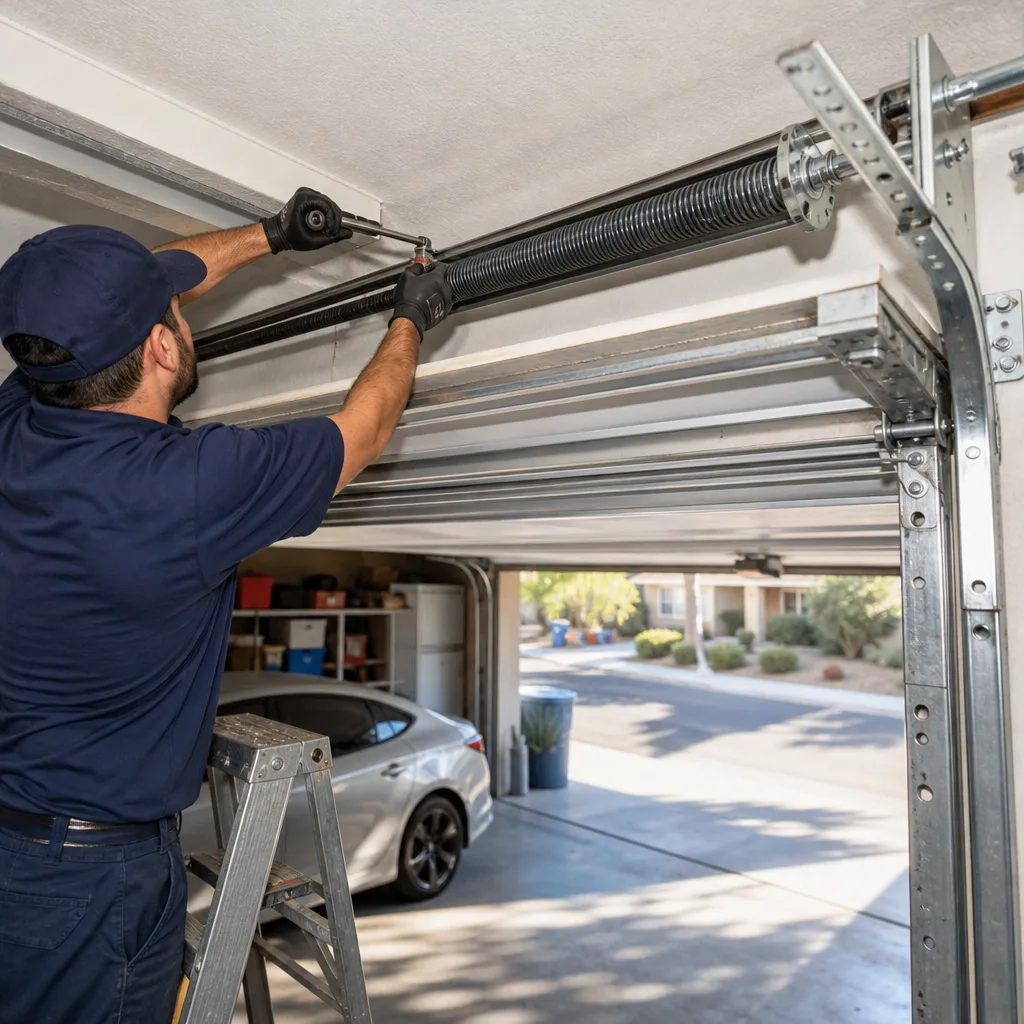 After
After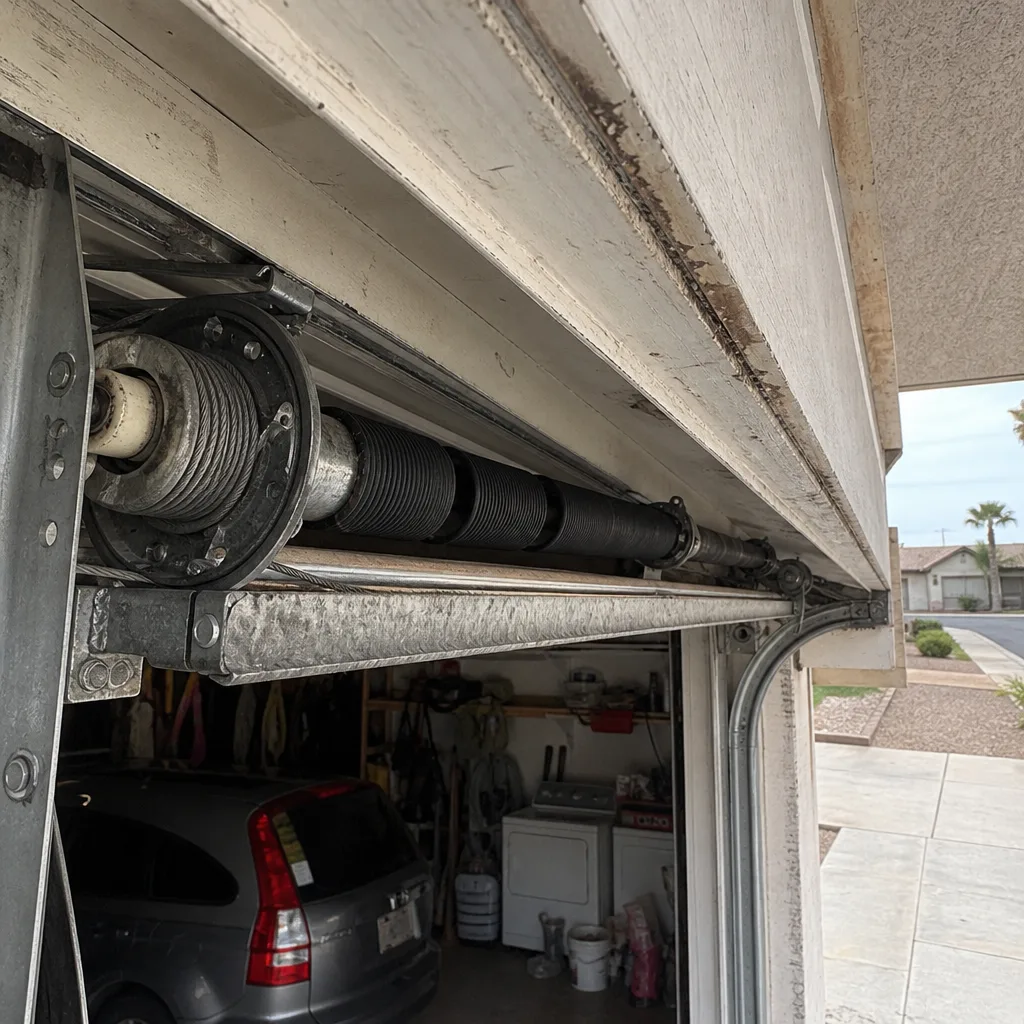 Before
 After
After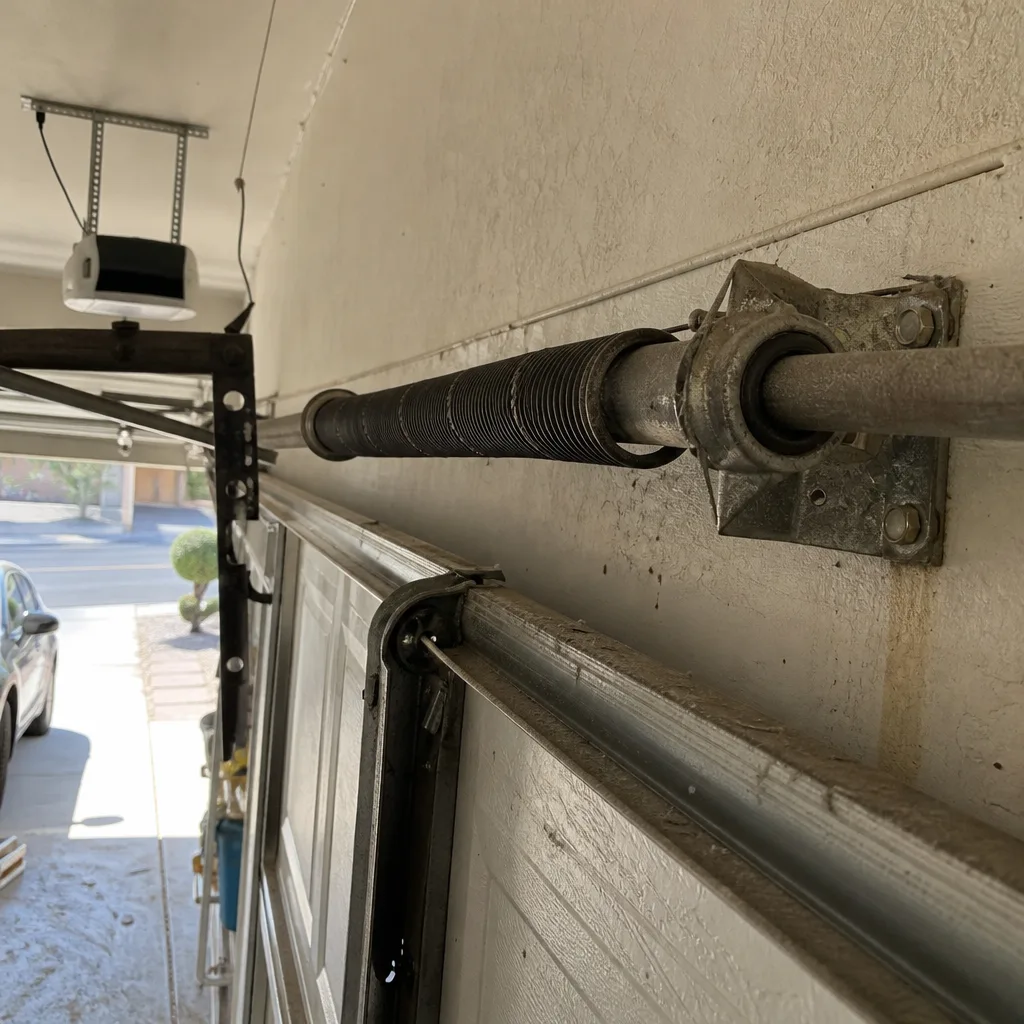 Before
 After
After