
Last updated October 16, 2026
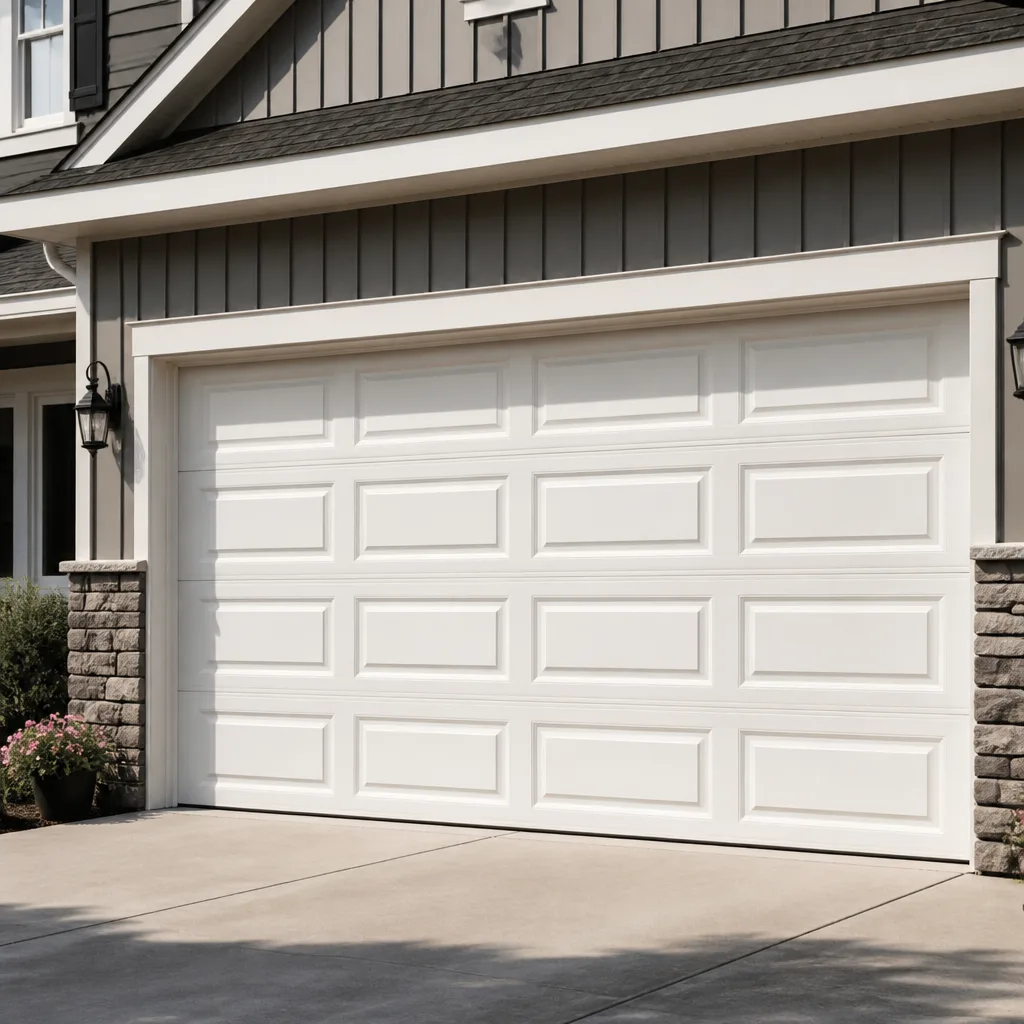 Raised-panel steel
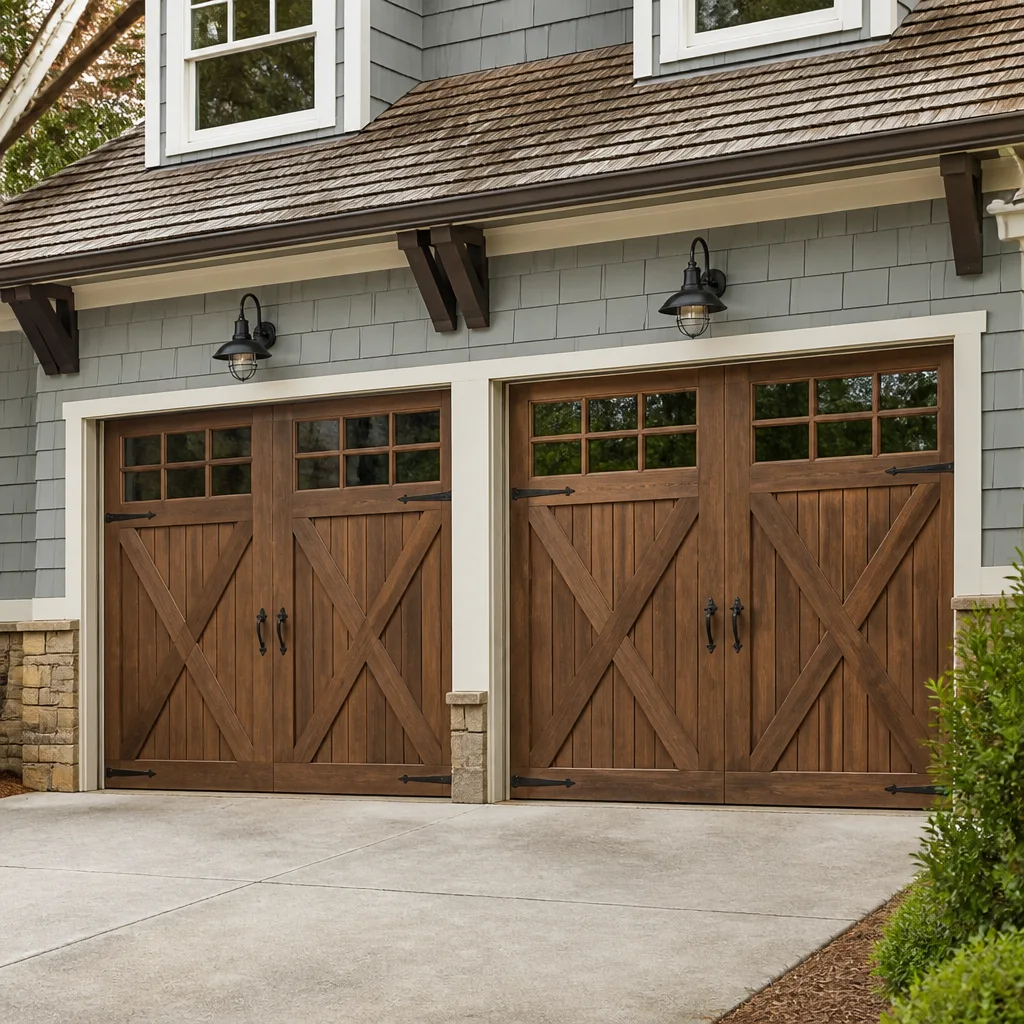 Carriage house
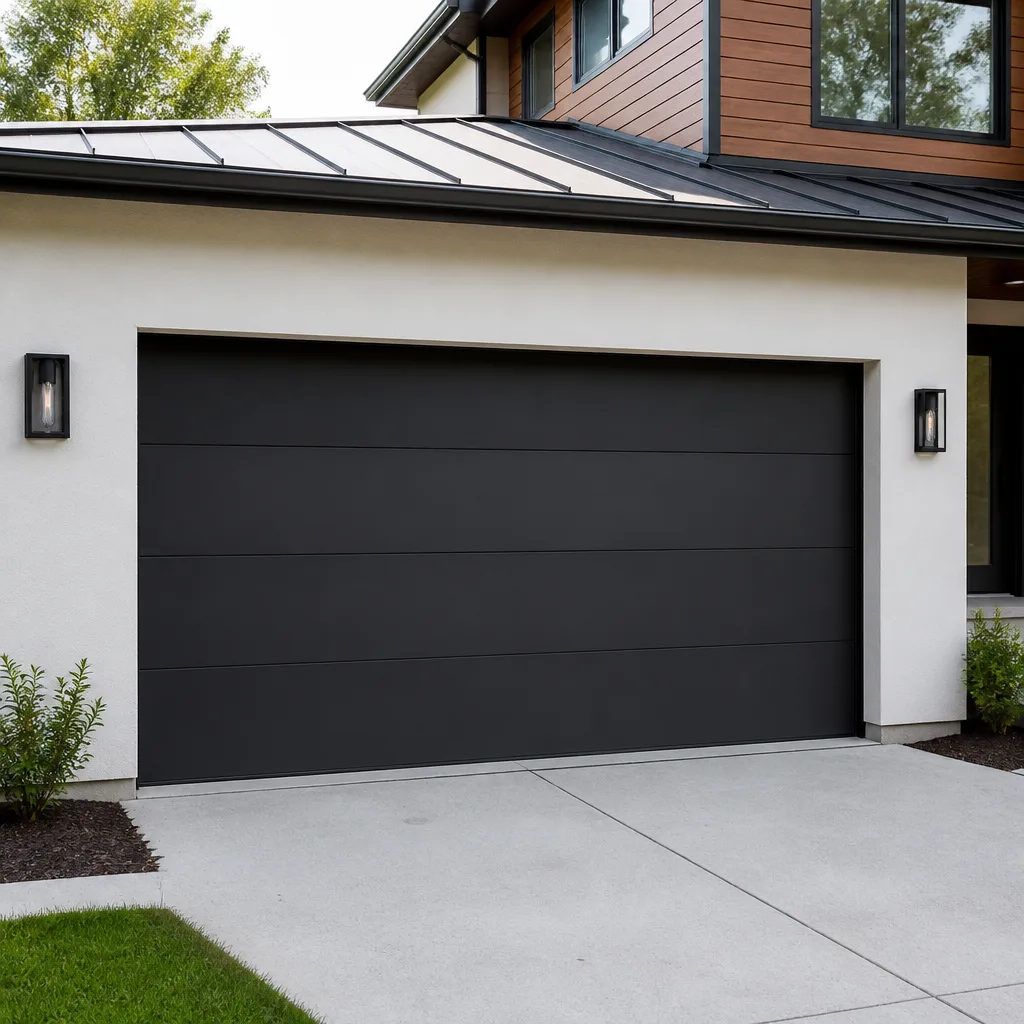 Modern flush
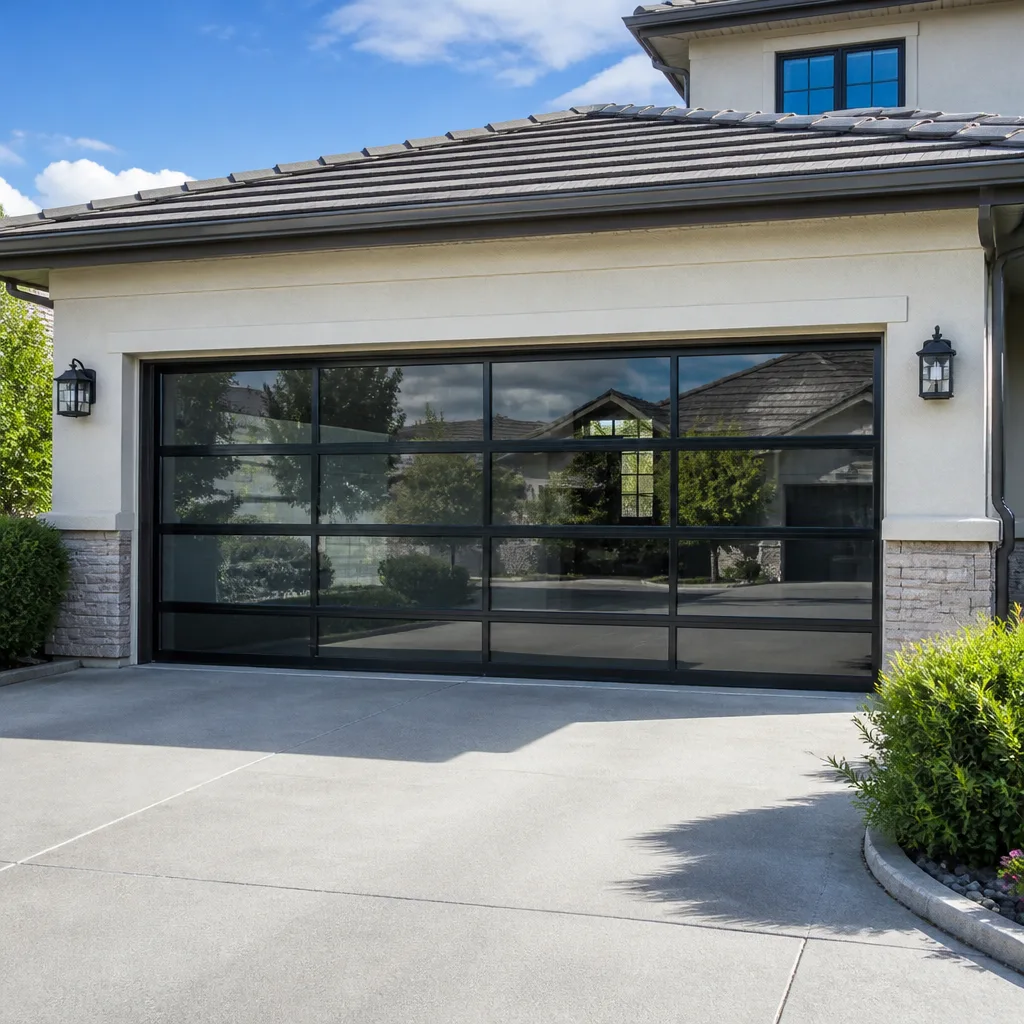 Full-view glass
 LiftMaster openers
 Chamberlain openers
Full 25-point door and opener safety check with every visit - springs, cables, rollers, tracks, and your LiftMaster or Chamberlain opener included
You get a price before we start. It does not change when the truck arrives.
Get your free estimateDIY vs Professional Garage Door: The Las Vegas Homeowner’s Decision Guide
A torsion spring, the large coil mounted above your garage door that does most of the lifting, stores enough mechanical energy to break a wrist, blind an eye, or worse if it releases uncontrollably. And unlike most home repair risks, this one doesn’t scale with skill level: an experienced DIYer using the wrong winding bars is just as exposed as a beginner. This guide draws the line precisely between what’s genuinely safe for a Las Vegas homeowner to attempt and what should be left to a professional, with real dollar figures, real injury mechanisms, and real local context that matters in a city where July garage temperatures regularly pass 110°F.
Quick Answer
Most garage door maintenance and minor adjustments are safe for a careful homeowner, but any task involving torsion springs, lift cables, or the door’s weight-bearing components should be left to a professional. In Las Vegas, professional garage door repair typically costs between $125 and $350 for common fixes, while DIY repairs gone wrong often end up costing more than the original repair would have, not counting the injury risk.
Styles & brands we work with
Table of Contents
- The Real Risk Map: What Actually Hurts People
- The Five Tasks Genuinely Safe for DIY
- The Pro-Only List: Never Attempt These
- Las Vegas-Specific Factors That Change the DIY Calculus
- The True Cost Comparison: DIY vs Professional
- What Voiding the Warranty Actually Means
- Common Mistakes to Avoid
- When to Call a Professional
The Real Risk Map: What Actually Hurts People
Garage door injuries fall into three categories, and they’re not equally distributed. The vast majority of serious injuries we hear about involve the torsion spring system, the counterbalance cables, or the bottom bracket where the cable attaches. These components are under constant tension even when the door is closed, and they’re connected to a door that weighs between 130 and 400 pounds depending on the panel material.
The injury mechanism is almost always the same: a component fails suddenly, the stored energy releases in a fraction of a second, and whatever body part is in the path takes the hit. A torsion spring that snaps while you’re winding it doesn’t give a warning. A cable that slips off its drum while the door is partially raised drops the door, not slowly, but with the full force of gravity acting on hundreds of pounds. Fixing the door after a drop like that isn’t the problem. Fixing the person is.
Here’s the risk breakdown as we see it after years of working on Las Vegas doors:
- Torsion springs: High risk. These springs hold the door’s entire weight in tension. When they’re being wound or unwound, they want to spin, and the winding bars are the only thing keeping them from doing so violently. The bars can slip, the spring can snap, and the result is a metal bar or spring fragment moving fast enough to shatter bone.
- Lift cables: High risk. The steel cable that runs alongside the door and wraps around a drum at the top is under the same tension as the spring. When it frays and snaps, it can whip across the garage. When it slips off the drum with the door raised, the door can drop without warning.
- Bottom brackets: High risk. These are the metal plates at the bottom corners of the door where the cables attach. If you remove the bolts holding a bottom bracket while the spring is still connected, the bracket becomes a projectile.
- Track and rollers: Moderate risk. The track itself isn’t under spring tension, but rollers attached to a door under tension can pinch fingers or crush hands if the door moves unexpectedly.
- Opener motor and electronics: Low risk. These are the components most homeowners can work on safely, provided the opener is unplugged first.
If there’s one sentence to remember from this whole guide, it’s this: anything connected to a spring or a cable is a professional job, no exceptions, regardless of how many YouTube tutorials you’ve watched.
The Five Tasks Genuinely Safe for DIY
Not everything about garage doors is dangerous. There are five tasks a careful homeowner can do without special tools or training, and doing them yourself can save a service call. All five are addressed here with enough detail to actually complete the job, but none of them involve touching a spring, a cable, or a bottom bracket.
1. Photo-Eye Alignment
The photo eyes are the small sensor units mounted about six inches off the floor on each side of the door opening. One sends an invisible beam to the other, and if anything interrupts that beam the door refuses to close. Over time, vibration knocks one or both sensors slightly out of line. In Las Vegas homes, where the ground shifts in the summer heat and doors cycle hundreds of times a month, misalignment happens constantly.
Here’s how to fix it:
- Look at each photo eye and find the small light on its face. It’s usually green or red.
- If one light is blinking or off entirely, that eye is either misaligned or has dirty glass.
- Wipe the glass on both units with a dry cloth. Dust from the desert air coats them fast.
- Gently loosen the wingnut holding each sensor to its bracket, adjust the unit until both lights are steady, then retighten.
- Test by pressing the wall button while standing clear of the door. It should close without reversing.
This is a genuinely safe task. There’s no stored energy in a photo eye, and the worst outcome if you get it wrong is a door that still won’t close until a professional re-aligns it.
2. Remote Reprogramming
If your remote works intermittently or stopped working entirely after a power outage or battery change, the fix is usually a reprogramming sequence. This takes under five minutes and requires no mechanical skill whatsoever. The exact button and sequence varies by brand, but for most LiftMaster, Chamberlain, and Genie openers it looks like this:
- Locate the “Learn” or “Program” button on the opener motor housing. It’s usually a small colored button near the antenna wire.
- Press and release it. A small LED light will turn on.
- Within 30 seconds, press and hold the button on your remote that you want to program.
- Hold it until the motor unit light blinks or you hear a click, then release.
- Test the remote from inside the garage, then from outside.
There’s no danger in this task as long as you’re working from a step ladder and keeping clear of the moving door while testing. Programming a remote won’t affect the door’s balance or tension, and if you program the wrong button by accident you can just do it again.
3. Limit Switch Adjustment
The limit switch lives inside the opener motor housing. On older models it’s a physical dial; on newer ones accessed through the wall control panel or a smartphone app. In Las Vegas, temperature swings can cause the door or track to expand and contract enough that the limit setting drifts slightly off. The adjustment is safe because it’s an electronic setting, not a physical change to the door or springs.
The adjustment process on most belt and chain drive openers:
- Open the opener’s cover or access the settings through the control panel.
- Find the “up limit” and “down limit” adjustments.
- If the door stops short when closing and leaves a gap, increase the down limit slightly.
- If the door hits the floor and then reverses immediately, decrease the down limit slightly.
- Test the door, make small adjustments, and retest until it’s right.
This is a homeowner-appropriate task because the worst-case scenario is a door that still doesn’t close perfectly. There’s no stored energy involved, and every adjustment is reversible.
4. Weather Seal Replacement
The rubber weather seal on the bottom of your garage door keeps out dust, water, and in Las Vegas that fine desert silt that coats everything after a windstorm. It wears out every five to seven years, and replacing it is one of the easiest and safest garage door tasks there is. Most homeowners can do this in under an hour.
The process is straightforward: pull the old seal out of the channel it sits in, cut the new seal to length with a utility knife, and slide it into place. The bottom channel on most doors has a small opening at one end where the seal slides in. The seal itself isn’t under tension. The only risk is cutting yourself with the utility knife, which is manageable with basic care.
This task is also one place where the material matters. The PVC seals sold at big-box stores last about half as long as the EPDM rubber seals professionals use. The big-box version will work. The professional version will just work for twice as long.
5. Manual Release Operation
The red cord hanging from your opener is the manual release. Pulling it disconnects the door from the opener carriage so you can open or close the door by hand. This is what you use during a power outage. It’s safe to operate, but there’s one Las Vegas-specific warning that matters: if you pull the release while the door is open and the spring is broken, the door will come down hard and fast. If the door starts falling when you pull the release, step away immediately.
That’s the key distinction. Operating the manual release is safe when the door and springs are in good shape. But pulling it without knowing your spring condition is gambling, and in Las Vegas, where spring failures happen more often than in cooler climates, knowing what you’re working with matters. Garage door opener repair that involves the manual release is a common service call for us, usually after a power outage or spring failure.
The Pro-Only List: What You Should Never Attempt to Fix Yourself
This is the hard binary list. There’s no judgment call here, no “if you’re handy” exception, no “my brother did it once.” These tasks are on the pro-only list because the specific mechanism of injury isn’t mitigated by skill, care, or experience.
- Torsion spring replacement or adjustment. The injury mechanism is the winding process itself. As you wind the spring with metal bars, it stores more and more energy. If a bar slips, the stored energy releases through those bars, turning them into a spinning weapon. A properly trained professional uses specific winding bars of the correct diameter and length for your specific spring, and follows a specific insertion depth. Improvised bars, like screwdrivers or lag bolts, can slip at any moment.
- Extension spring replacement or adjustment. Extension springs are the older design that runs perpendicular to the door along the track. When they break, the pieces fly. When they’re replaced incorrectly without a safety cable running through the center, a broken spring becomes a projectile that can travel the length of the garage. The safety cable is not optional, and most DIYers don’t know it exists.
- Lift cable replacement or re-spooling. The cable is under the same tension as the spring, and it runs through a drum at the top of the door. If the cable slips while you’re working on it, the door can drop instantly, and the cable itself can whip. There is no safe way to de-tension a cable without first de-tensioning the spring, which puts you back in the pro-only zone.
- Bottom bracket removal or replacement. The bottom bracket holds the cable and is bolted to the door’s bottom panel. The bolts are under constant load from the spring tension. Removing them without releasing that tension turns the bracket into a missile. This is one of the most common serious garage door injuries because the bracket looks innocent. It isn’t.
- Track removal or major realignment. The track guides the door and keeps it true on the way up and down. Attempting to remove or significantly bend a track while the door is still connected and under spring tension means working with a loaded structure. If the door slips out of your control, fingers and hands take the damage.
- Full door replacement. Removing an old door and installing a new one involves handling multiple heavy panels, detaching and reattaching the spring system, and aligning everything from scratch. The old door doesn’t come down in one piece, it comes down in sections that weigh 30 to 50 pounds each, and the springs on the old door are still live until properly de-tensioned.
If your door has a problem involving any of these components, call a professional. Every one of these parts is also connected to the door’s weight, and in a city like Las Vegas where doors see 10 to 20 cycles a day in summer, the wear accumulates faster than in cooler climates.
Las Vegas-Specific Factors That Change the DIY Calculus
Most DIY garage door advice on the internet is written by people in mild climates working in comfortable garages. Las Vegas changes the math in three specific ways that generic guides never mention.
The Heat as a Safety Variable
A Las Vegas garage in July regularly reaches 110°F, and it stays hot long after the sun goes down. Heat affects judgment. It causes fatigue faster. It makes hands sweat, which affects grip on winding bars and tools. In our experience, the majority of DIY accidents we hear about happen in the afternoon heat when the homeowner decided to tackle the job before thinking it through. A job that might take two hours in a 70°F garage takes four hours in a Las Vegas summer garage, and the last hour is when mistakes happen.
Dust and Debris Accumulation
The desert air in Las Vegas carries fine dust that works its way into every mechanical component. Tracks and rollers collect grit faster here than almost anywhere else in the country. That means rollers wear faster, tracks get rougher, and the door doesn’t glide like it does in the demonstration videos. A DIY roller replacement that looks simple online is harder when the roller is seized into a gritty track and you don’t have the right tools to free it.
Housing Stock and Door Age
Las Vegas has housing stock from every era: mid-century homes in Rancho Oakey and Paradise Palms with original wooden doors, 1990s tract homes with steel pan doors, 2000s and 2010s subdivisions in Summerlin and Henderson with modern insulated doors. The age and type of door changes what a repair involves. A 1970s wooden door with an extension spring system is a different animal than a 2015 steel door with a torsion spring. The generic YouTube video doesn’t cover either one specifically enough to be safe.
None of these factors make DIY impossible. But they do shift the risk-reward calculus for any task that involves sweating, gripping, and making decisions under physical stress.
The True Cost Comparison: DIY vs Professional
The most common reason homeowners attempt a DIY garage door repair is to save money. Here’s the honest math on the most common pro-only repair, a torsion spring replacement, in the Las Vegas market.
And here’s the detailed breakdown:
- DIY torsion spring replacement: A pair of torsion springs from a big-box store or online retailer runs $60 to $120 depending on the wire size and inner diameter. But springs are matched to the door’s exact weight and cycle rating, and buying the wrong size means the door won’t balance. The winding bars that professionals use cost another $15 to $30. A drift punch or two, a socket set, and a torque wrench bring the total to $120 to $200 if you’re starting from nothing. You’ll also spend three to six hours on the job, much of it in a Las Vegas garage at whatever temperature the day brings. And if the tension calibration is off and the door fails the balance test after you’re done, the door will either slam, reverse, or strain the opener until someone re-does the work. A second DIY attempt means more time. A professional correction means paying for the repair you were trying to avoid.
- Professional torsion spring replacement in Las Vegas: The installed price for most residential torsion spring replacements runs $180 to $340. This includes the spring matched to your door’s exact weight and cycle rating, proper tension calibration verified with a balance test, disposal of the old spring, and a written guarantee. At Doyle Garage Doors Las Vegas, every repair includes a written price before the work starts and a 365-day written guarantee. If the repair fails within that window, the second visit is free.
The honest comparison isn’t $120 in parts versus $300 installed. It’s $120 in parts plus five hours of your time plus the risk of injury plus the possibility of a second trip, against $180 to $340 for a trained professional doing the job in under two hours with a guarantee. Once you factor in the time and the risk, the professional option is the cheaper one for most homeowners.
The same math applies to other common repairs. A garage door opener repair that involves a stripped gear or a failed logic board often costs less to have fixed professionally than the cost of buying a generic replacement gear kit that may not match your opener’s exact model. And a professional installation, whether it’s a repair or a full garage door installation, includes alignment, balance testing, and safety inspection that a DIY job can’t replicate without specialized knowledge.
What “Voiding the Warranty” Actually Means in Practice
Here’s a fact that rarely gets discussed in DIY forums: most garage door and opener manufacturers include warranty language that specifically excludes failures caused by unauthorized repair or modification. What that means in practice depends on what you did and what fails later.
If you replace a torsion spring yourself and six months later the spring snaps, the spring manufacturer won’t cover it because the installation wasn’t done by a qualified professional. The spring’s replacement is on you. If you replace a spring yourself and six months later the door panel cracks at the strut line, the door manufacturer may deny the panel claim by arguing that the incorrect spring tension caused the failure. The panel was never something you touched, but the warranty claim is complicated by the DIY work elsewhere on the system.
Here’s another scenario we see in Las Vegas: a homeowner replaces a torsion spring with a generic big-box spring that’s the wrong cycle rating. The spring works fine for six months, then fails. The homeowner had no idea that the spring they bought was rated for 10,000 cycles while the original was a 20,000-cycle spring. The warranty doesn’t apply because the wrong part was installed, and now the door needs another spring replacement.
Opener warranties, including those from Chamberlain and Genie, have similar language. A remote reprogramming or a limit switch adjustment won’t affect anything. But opening the motor housing and replacing internal gears on many models technically violates the warranty terms. If the opener later fails and the manufacturer’s servicer sees tool marks or evidence of disassembly, the claim gets denied.
The practical bottom line: read your specific warranty before attempting any repair beyond photo-eye alignment, remote programming, limit adjustment, weather seal replacement, or manual release operation. Most homeowners don’t know their door’s manufacturer warranty is in force, but on doors less than five years old, it usually is. A professional repair by a factory-trained technician, such as the team at Doyle Garage Door Repair on service for LiftMaster and Raynor products, preserves the warranty because the work was done according to the manufacturer’s specification.
Common Mistakes to Avoid
- Using screwdrivers as winding bars. A torsion spring requires winding bars of a specific diameter that seat fully, and every homeowner tool fails that test. A screwdriver that slips sends the stored spring energy through the handle into your hand. This is the single most common cause of serious garage door injury.
- Removing the bottom bracket without de-tensioning first. The bracket looks like an innocent piece of steel bolted to the door, but it’s holding back the full tension of the spring system. Remove those bolts while the spring is live and the bracket launches.
- Replacing only one spring when both are old. Garage doors with two torsion springs wear evenly. Replacing only the broken one leaves an old, fatigued spring on the other side, and when it breaks, probably soon, the door unbalances mid-cycle and can drop or damage the opener.
- Buying the cheapest spring you can find online. Springs have a cycle rating, meaning how many open-close cycles they’re built for. The cheap spring often has half the rating of the one that came with the door. In Las Vegas, where doors cycle 3,000 to 5,000 times a year, that difference shows up fast.
- Doing mechanical work in an unventilated summer garage. It might not feel like a garage door mistake, but it is. Working in 110°F heat with limited airflow affects judgment, grip, and reaction time, and most DIY injuries happen in exactly those conditions.
- Assuming a door that’s “working fine” doesn’t need maintenance. Las Vegas dust gets into everything. The door might work fine right up until a roller seizes, a cable frays, and the door stops halfway up. Preventative maintenance, done safely, is cheaper than emergency repair.
When to Call a Professional
Call a professional if your garage door involves a broken spring, a frayed or detached cable, a bottom bracket issue, a track that’s bent or out of alignment, or a full door replacement. Call a professional if the door is visibly sagging on one side, if it reversed suddenly and now won’t move, or if it makes a sound like a gunshot followed by no movement at all, which is the signature of a spring snapping. Call a professional if you’ve already attempted a repair and the door still doesn’t work right, or if you’re not sure what’s wrong. And call a professional, not for safety but for sanity, if a project is likely to eat up a full Las Vegas summer weekend in a hot garage. Doyle Garage Doors Las Vegas offers free estimates and sends every technician’s name and photo before the visit, with a written price before any work starts. Call (725) 224-5155.
See the difference
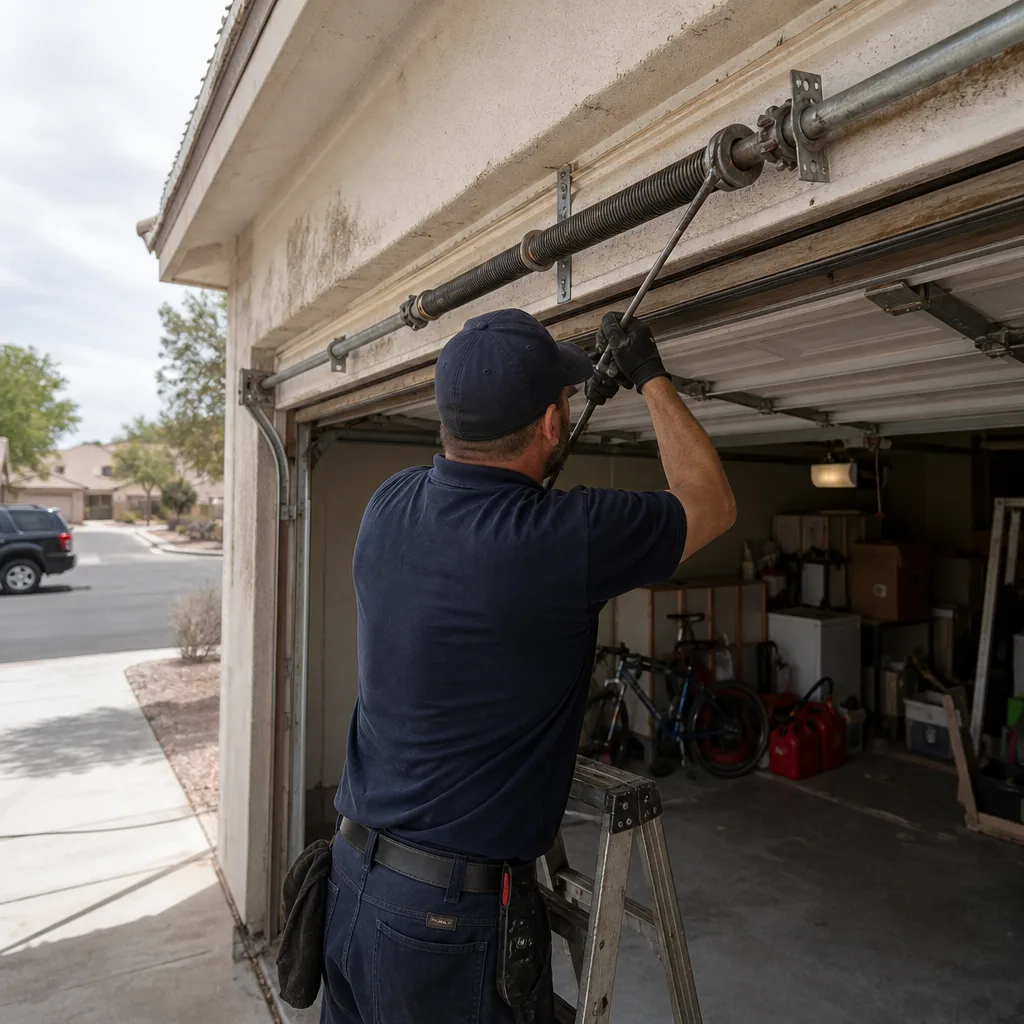 Before
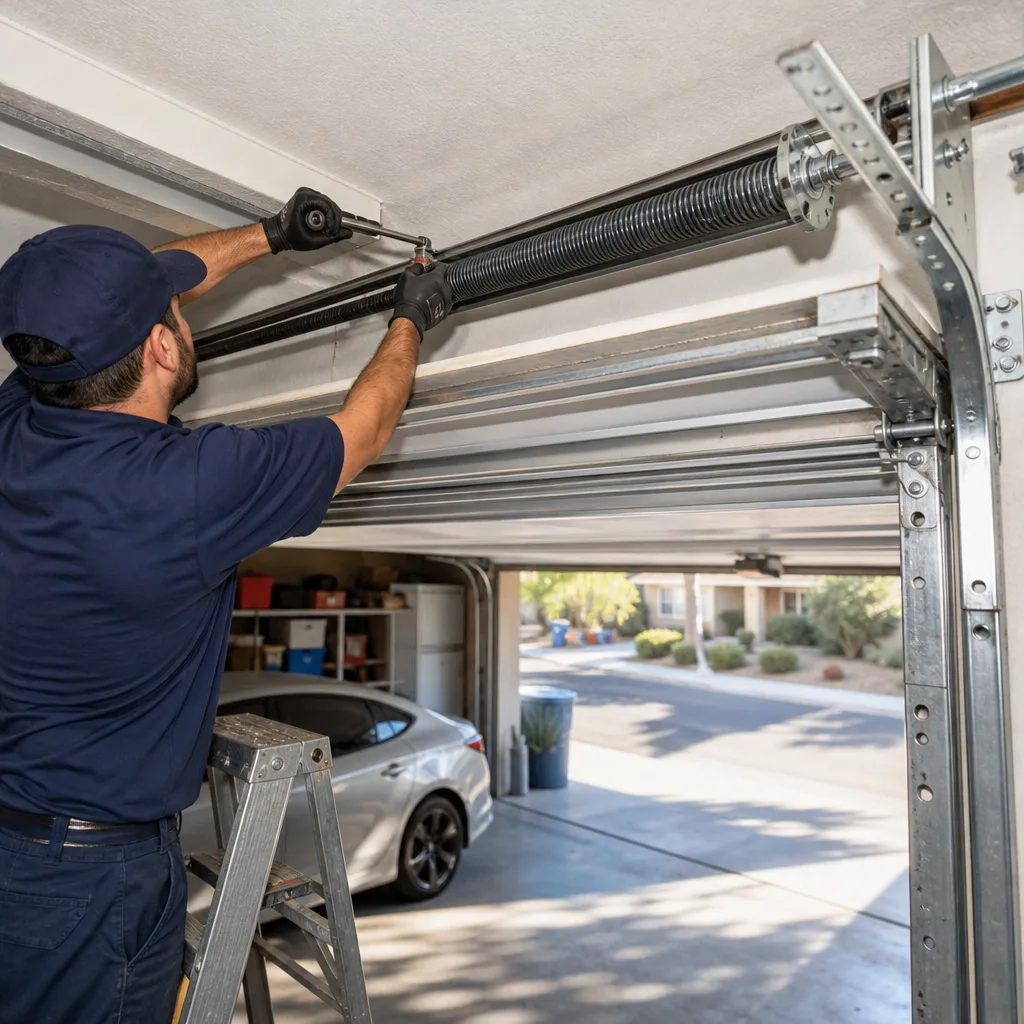 After
After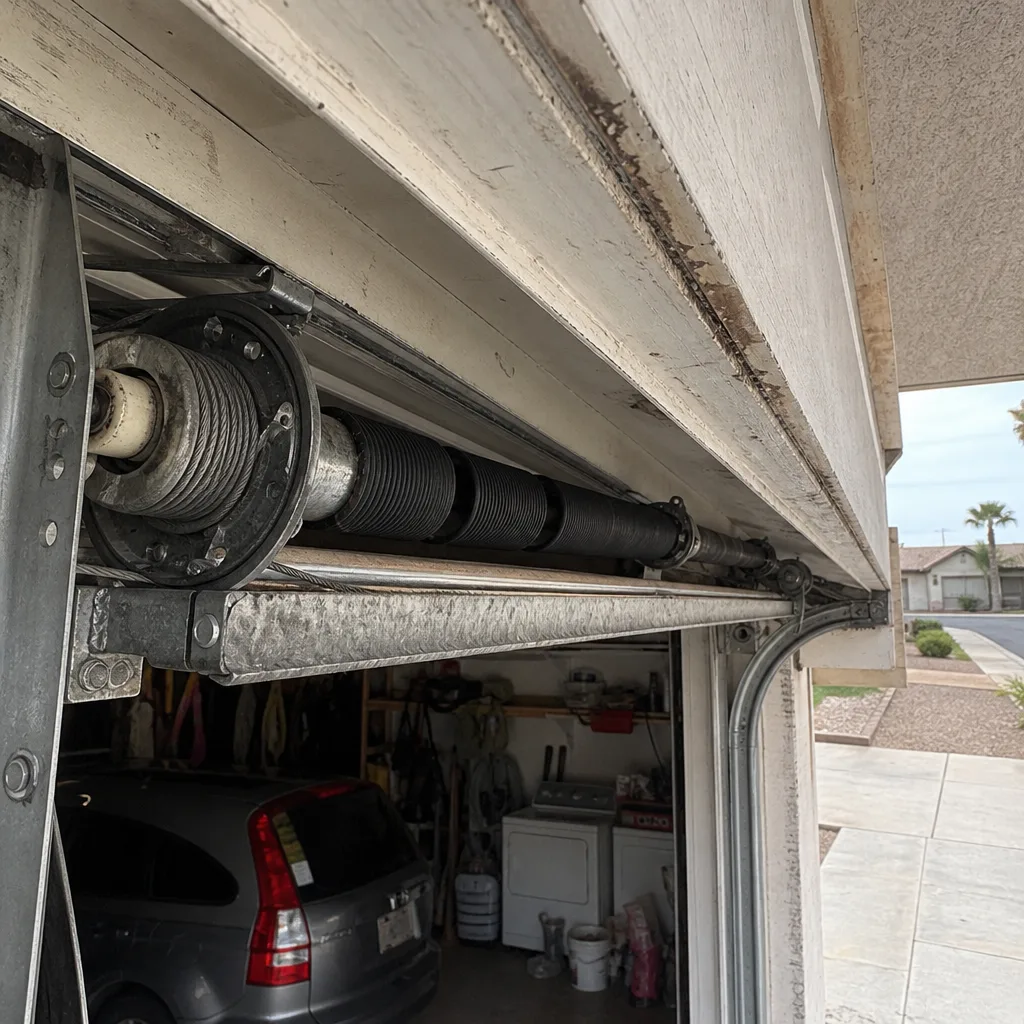 Before
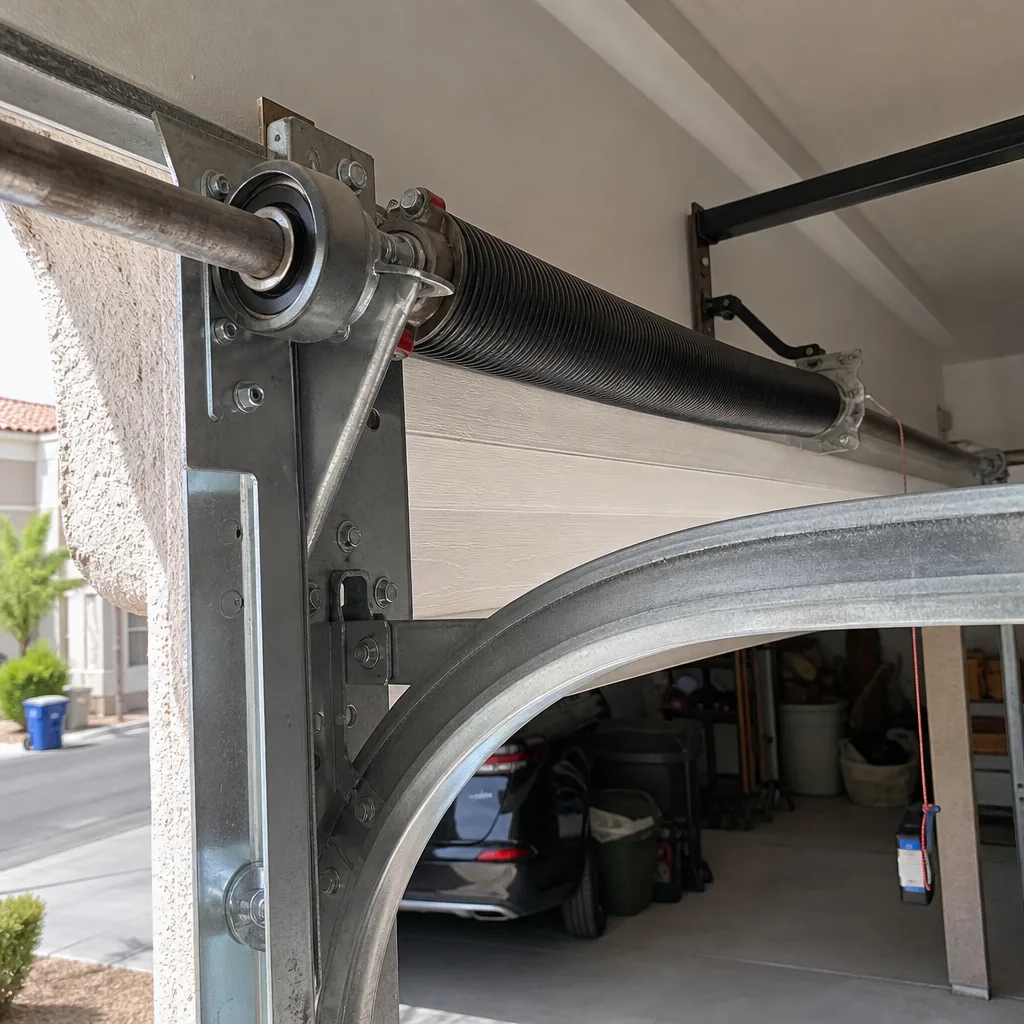 After
After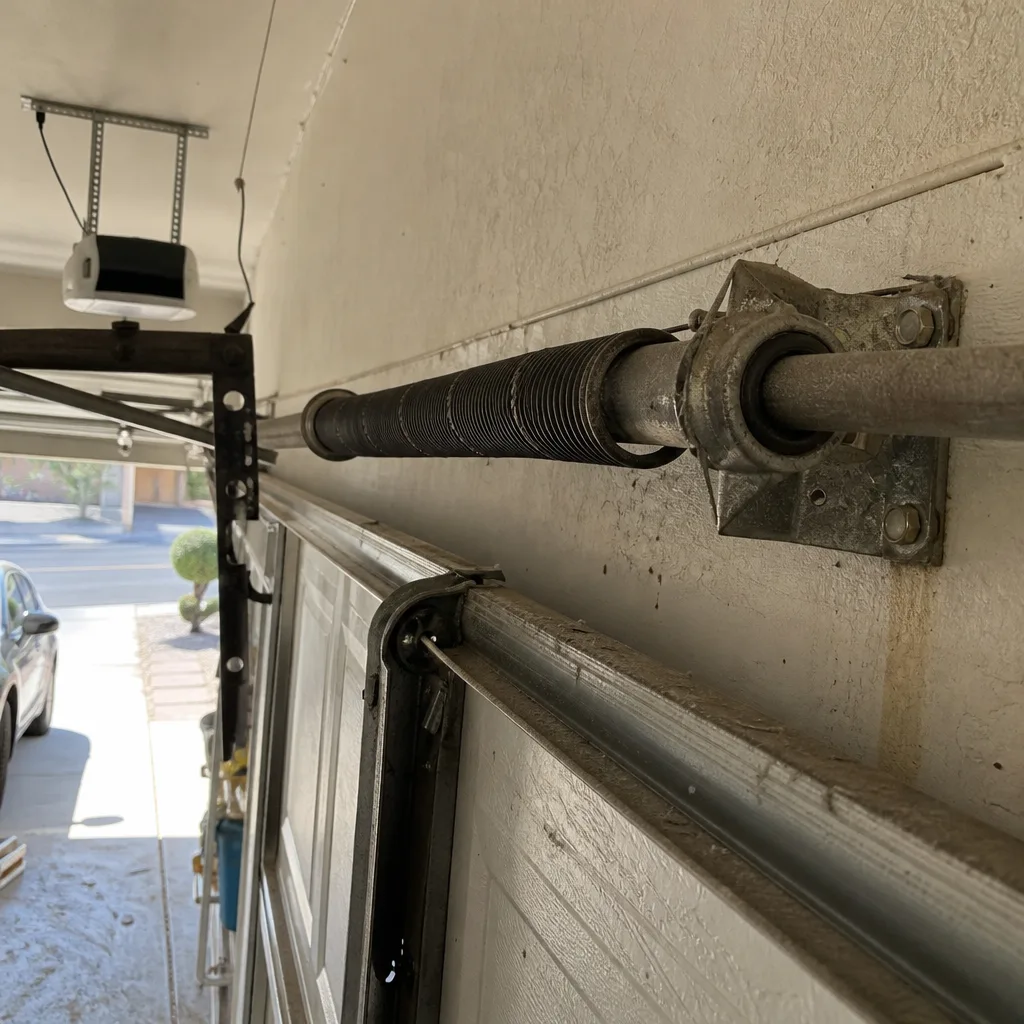 Before
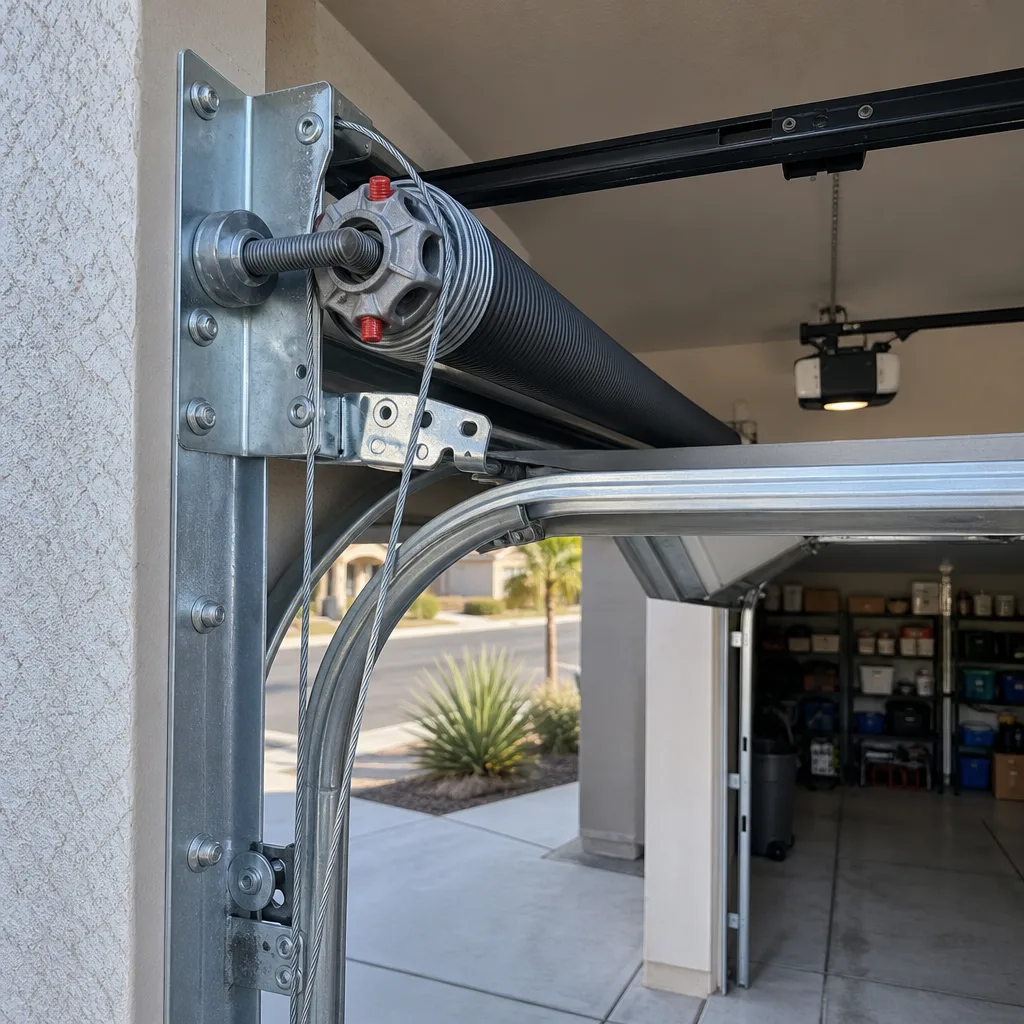 After
AfterFrequently Asked Questions
If the problem involves a spring, cable, bottom bracket, or track, it’s a professional job. If the problem involves a photo eye, remote, limit switch, weather seal, or manual release, a careful homeowner can usually handle it. When in doubt, call a professional for a free assessment.
No, torsion spring replacement is dangerous regardless of how careful you are. The winding process requires specific tools, and the stored energy in the spring doesn’t respond to caution. It responds to correct technique and correct equipment, and the margin for error is zero. In Las Vegas, professional spring replacement runs $180 to $340 installed, and it includes a balance test and a written guarantee.
Most common repairs in Las Vegas run $125 to $350, with torsion spring replacement typically $180 to $340 and opener repair usually $150 to $300 depending on the part. These are installed prices including labor and a written guarantee. Every job at Doyle Garage Doors Las Vegas includes a written price before the work starts, so there are no surprises on the invoice.
Sometimes yes, sometimes no. If the photo eyes are misaligned or the remote needs reprogramming, you can often fix it yourself in under 15 minutes. But if the opener is making noise, reversing unpredictably, or the light is blinking in a pattern that doesn’t match the manual, call a professional. Garage door opener repair in Las Vegas usually costs less than replacing the unit, especially on models less than ten years old.
The torsion spring is the most dangerous component. It holds the entire weight of the door and stores energy equal to the door’s weight multiplied by the winding ratio. When a torsion spring fails or is incorrectly handled, that energy releases in a fraction of a second, which is why professionals use specific winding bars and why this same spring sends homeowners to the emergency room every year.
Las Vegas garages regularly exceed 110°F in summer, which affects garage door components and the person working on them. Springs lose cycle life faster in heat, rollers collect dust, and tracks expand microscopically. For a DIYer, the heat also affects grip, judgment, and reaction time. If you’re doing any garage door work in a Las Vegas summer, do it early in the morning or leave it to a professional.
The Bottom Line
The DIY-vs-professional decision for a garage door isn’t a question of how handy you are. It’s a question of what’s connected to what. If it’s a spring, cable, bottom bracket, or track, call the door company. If it’s a photo eye, remote, limit switch, weather seal, or manual release, a careful homeowner can often save the service call. In Las Vegas, where the heat turns every minor task into a bigger one, and where dust wears components faster than the national average, the smartest approach is to do what’s safe yourself and call a professional for everything else. A free estimate is a phone call away at (725) 224-5155, and a live person answers the phone day, night, weekends, and holidays. For an exact quote on anything in this guide, from a garage door repair in Las Vegas to a full door replacement, call the Doyle team and get a written price before anyone touches the door.
Written by Aaron Teague, Owner at Doyle Garage Doors Las Vegas, serving Las Vegas since 2001.